



Ribadeo
changing the village through protagonist participation
GeoRibadeo

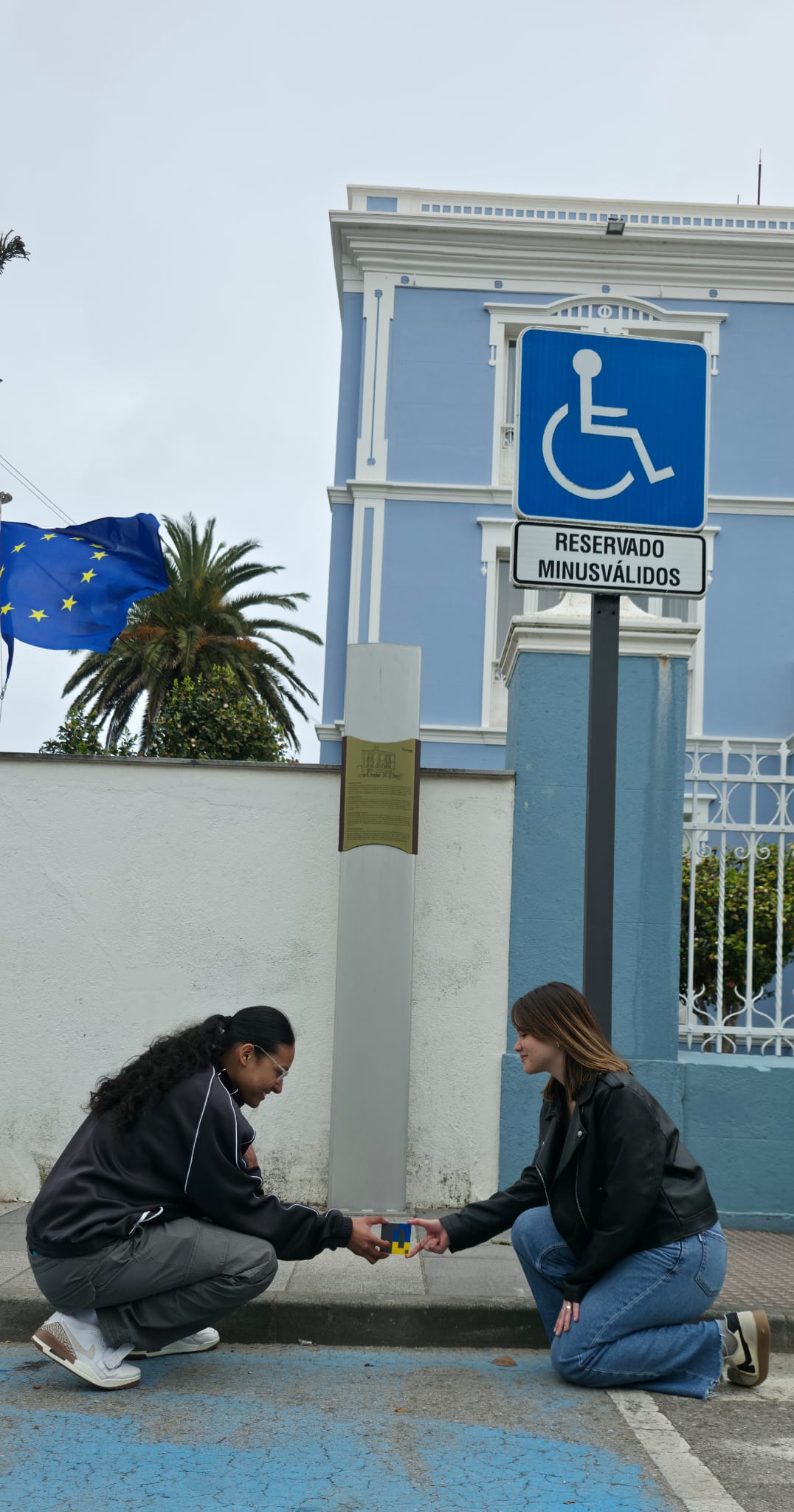
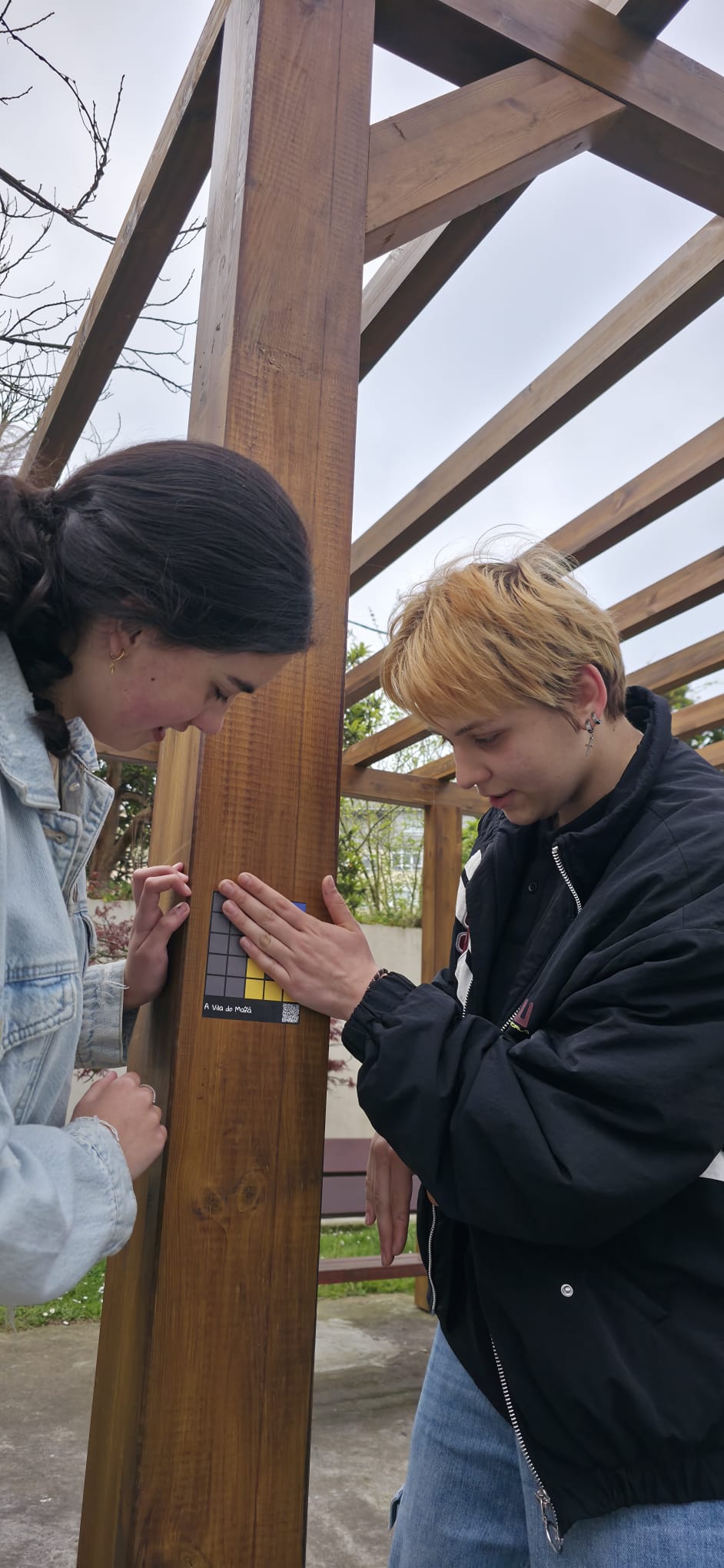
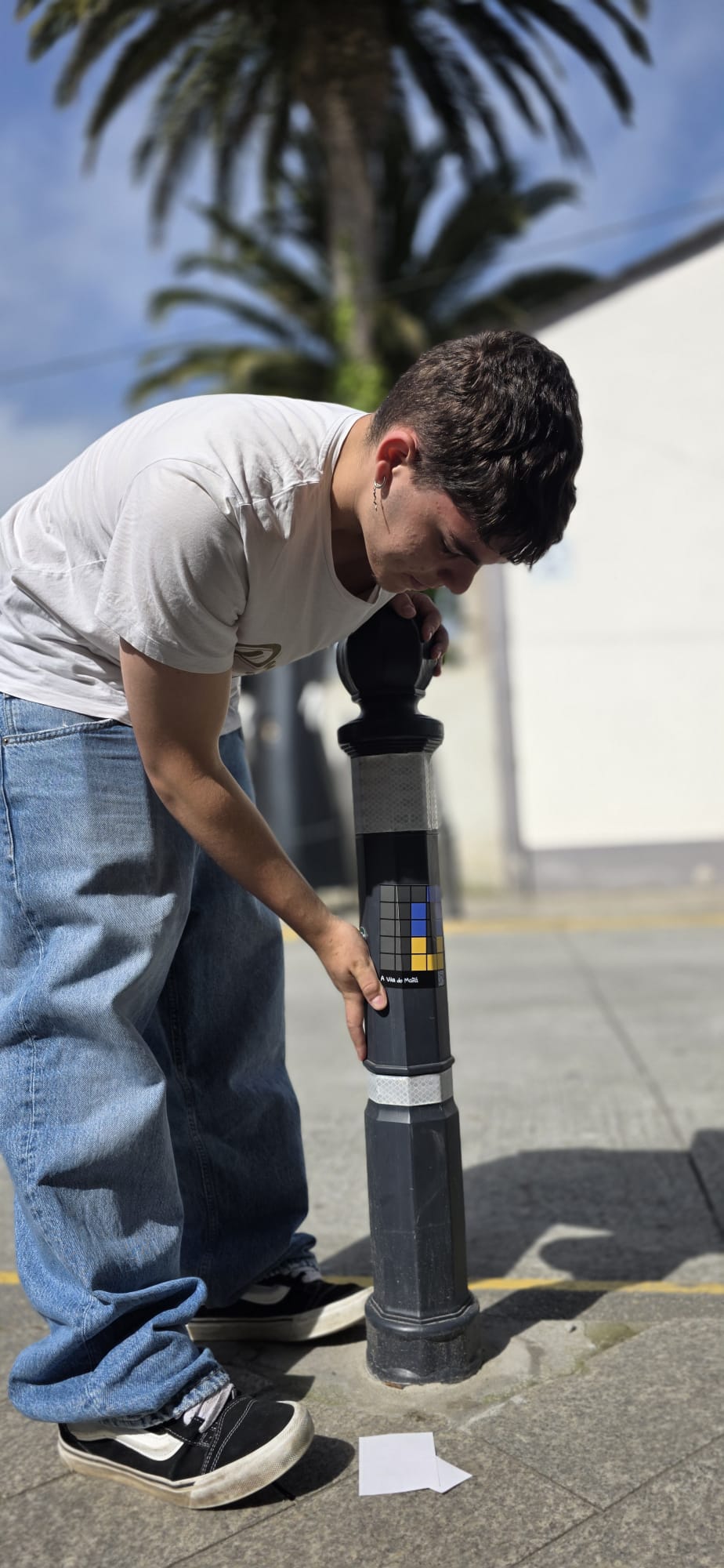
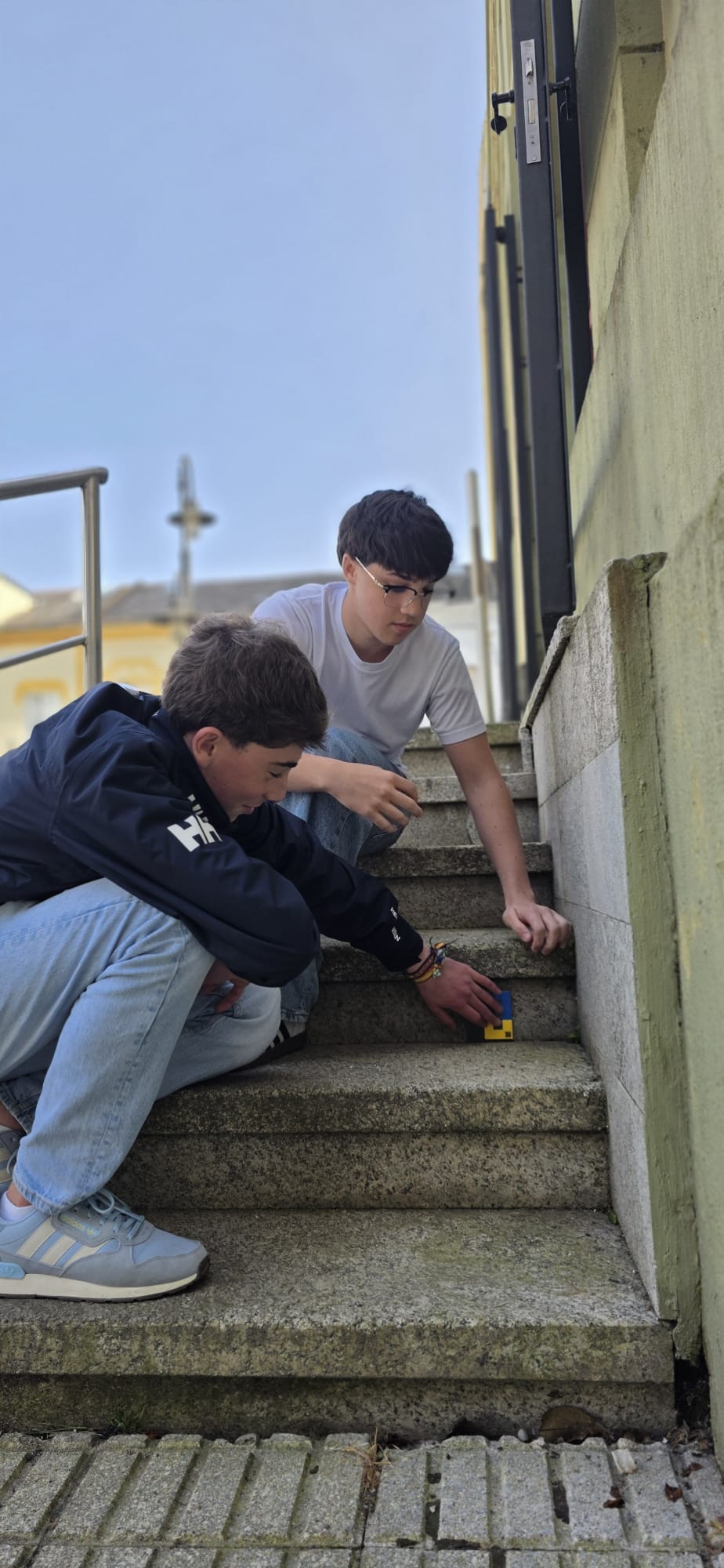
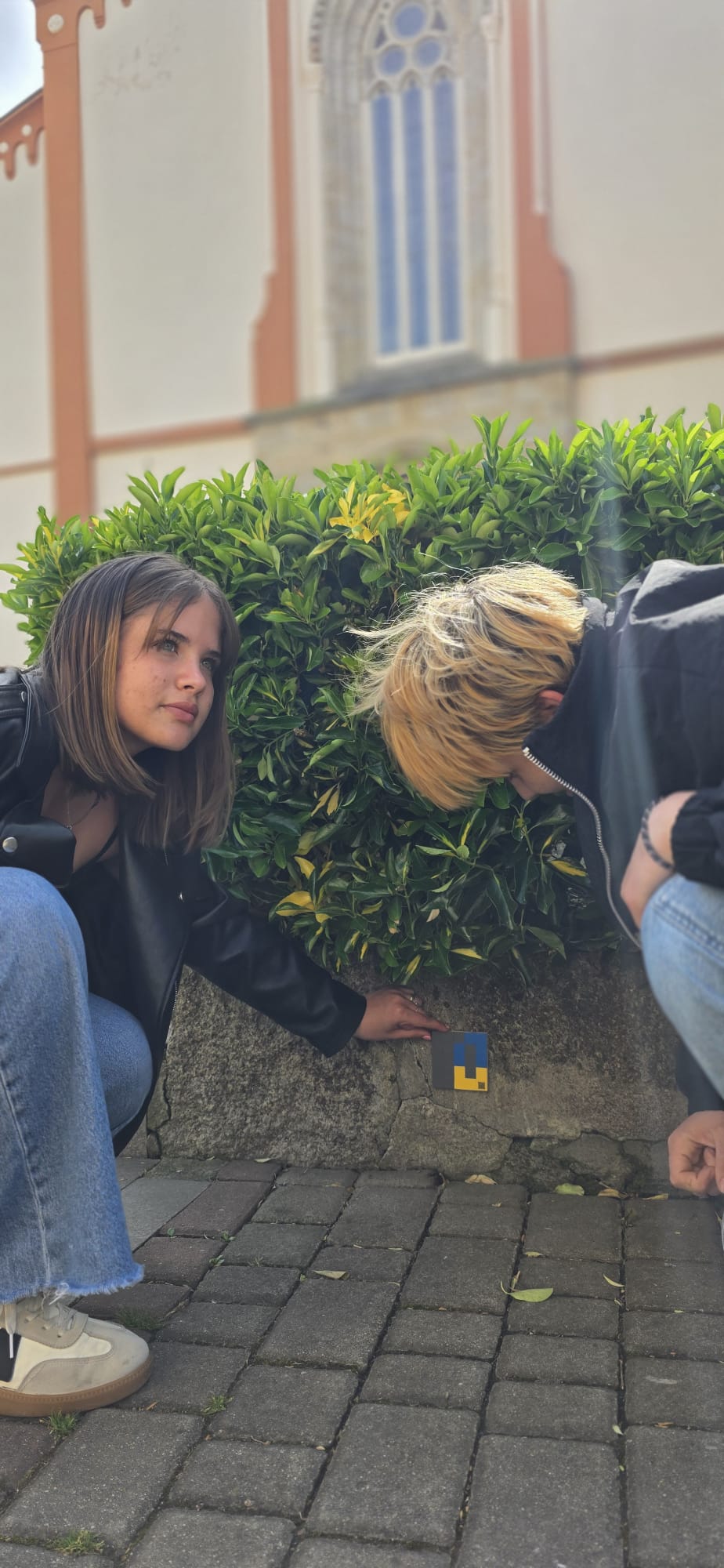
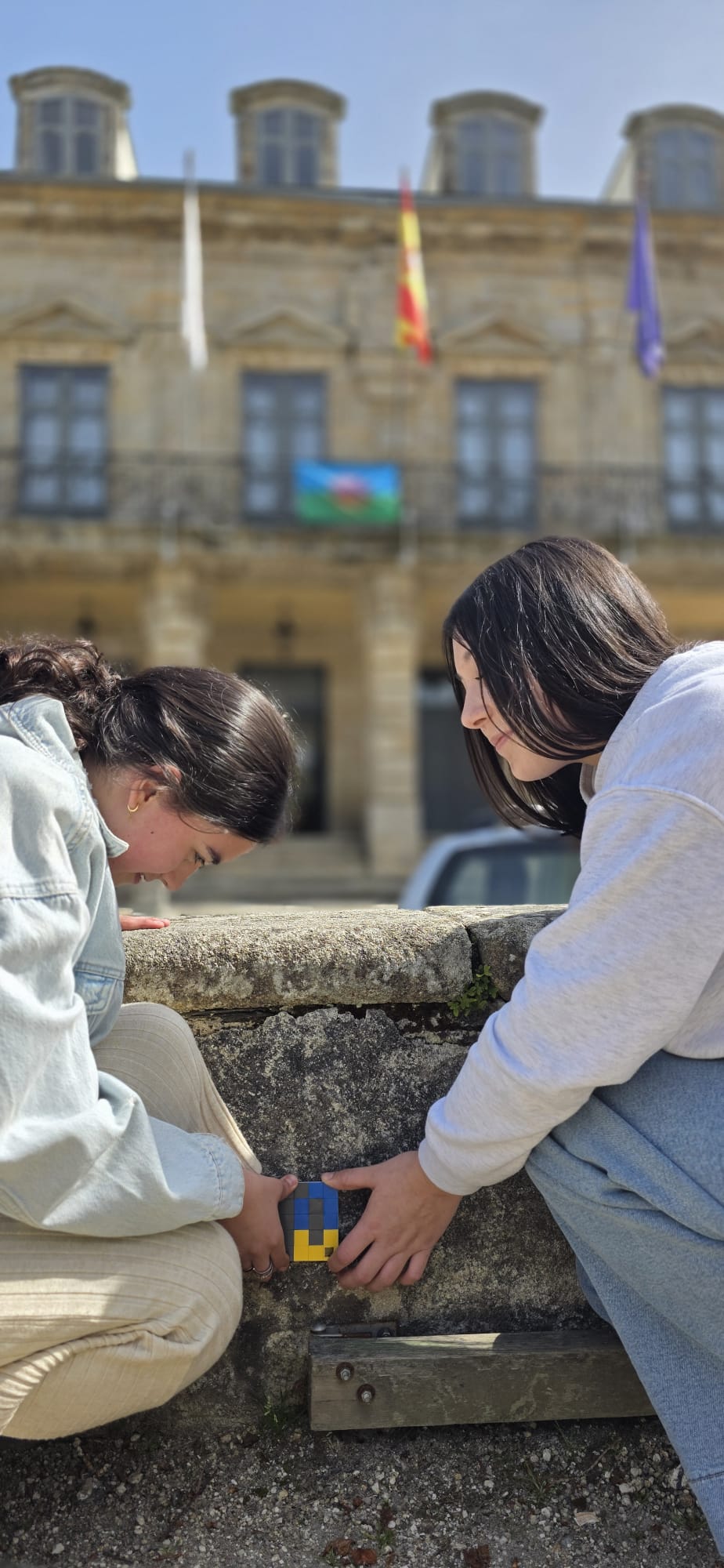
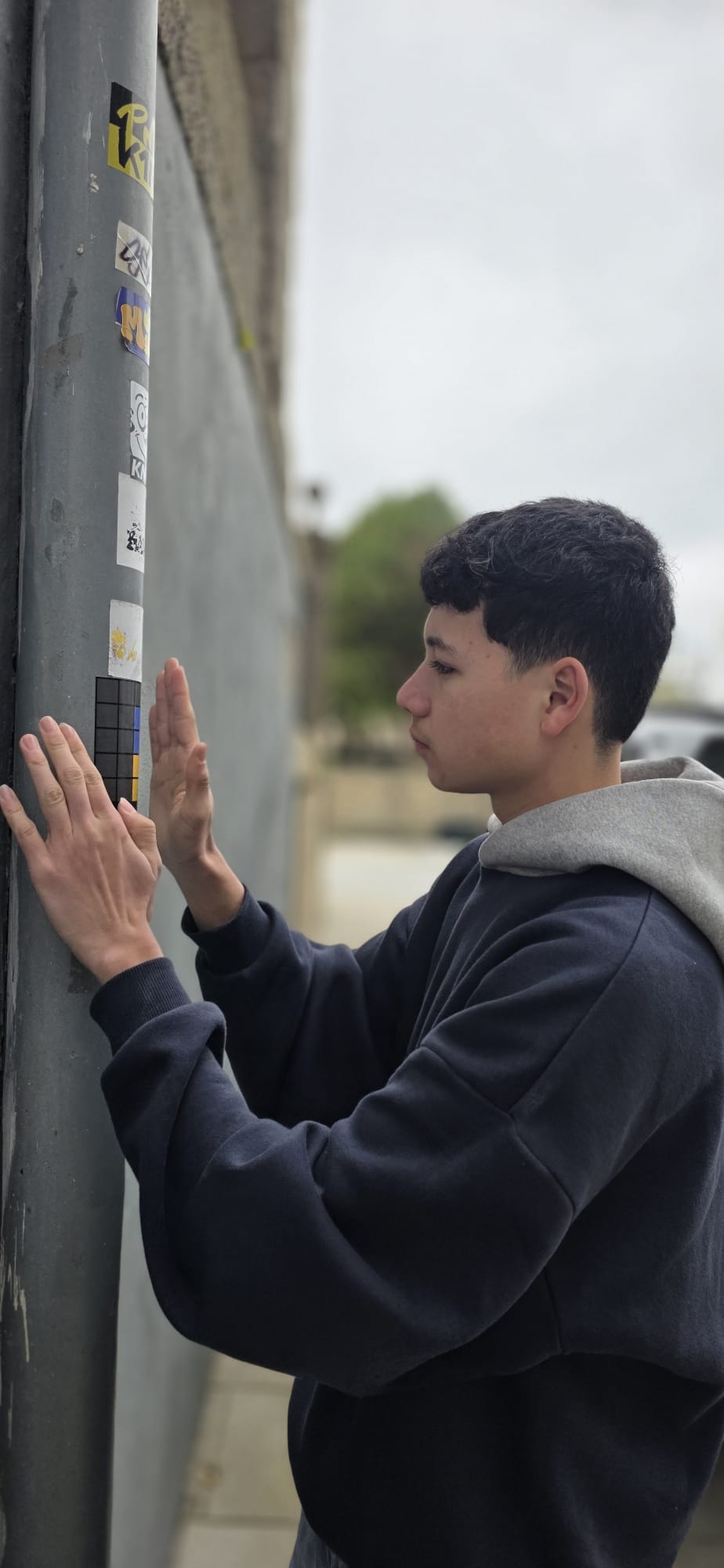
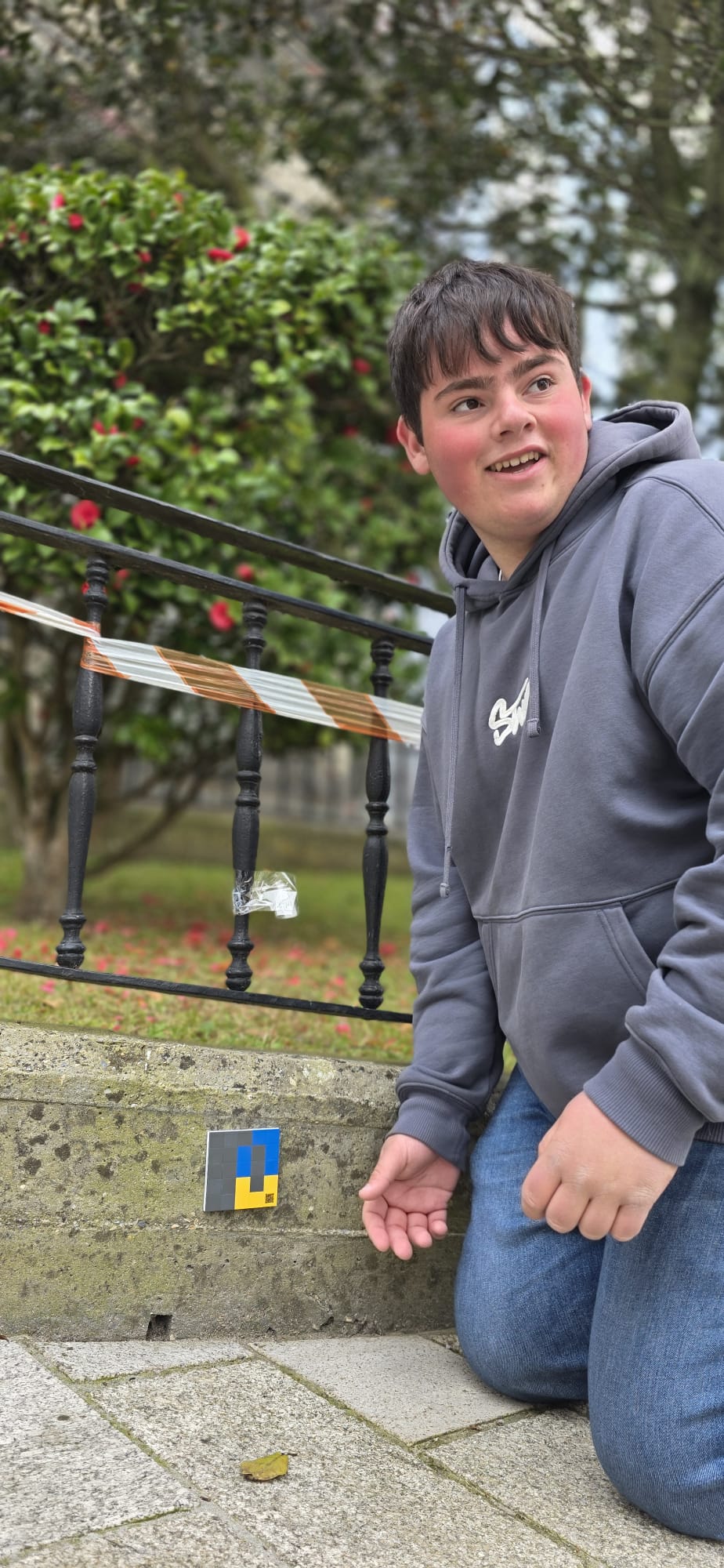
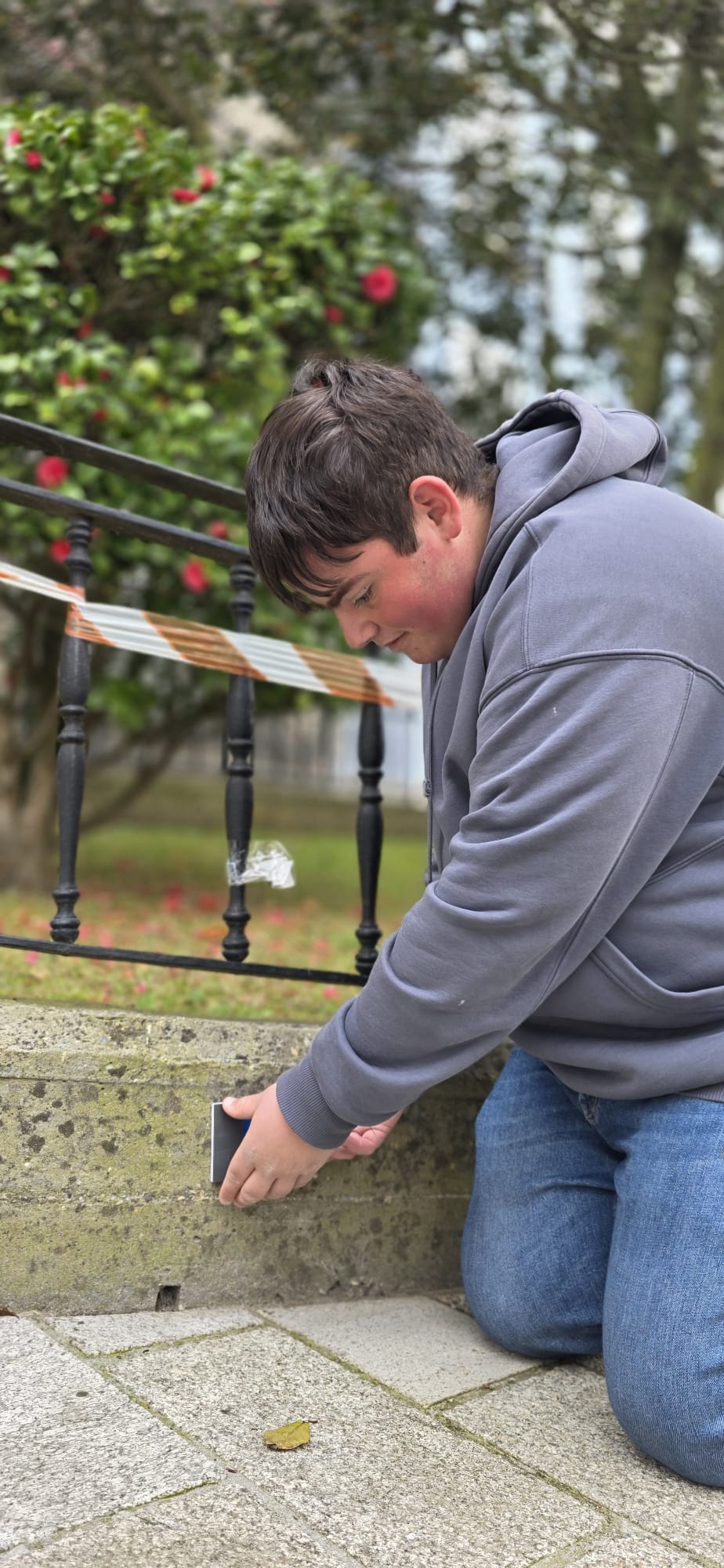
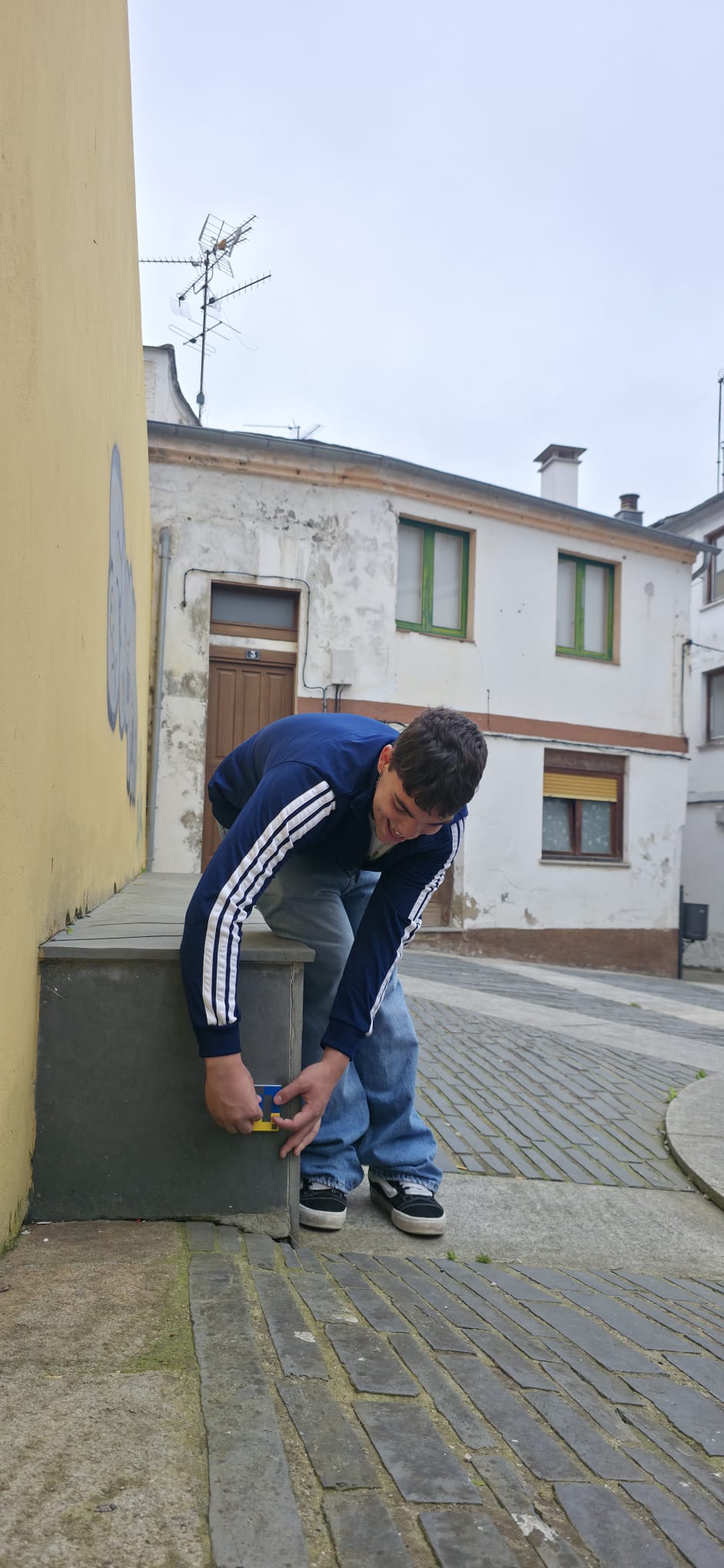
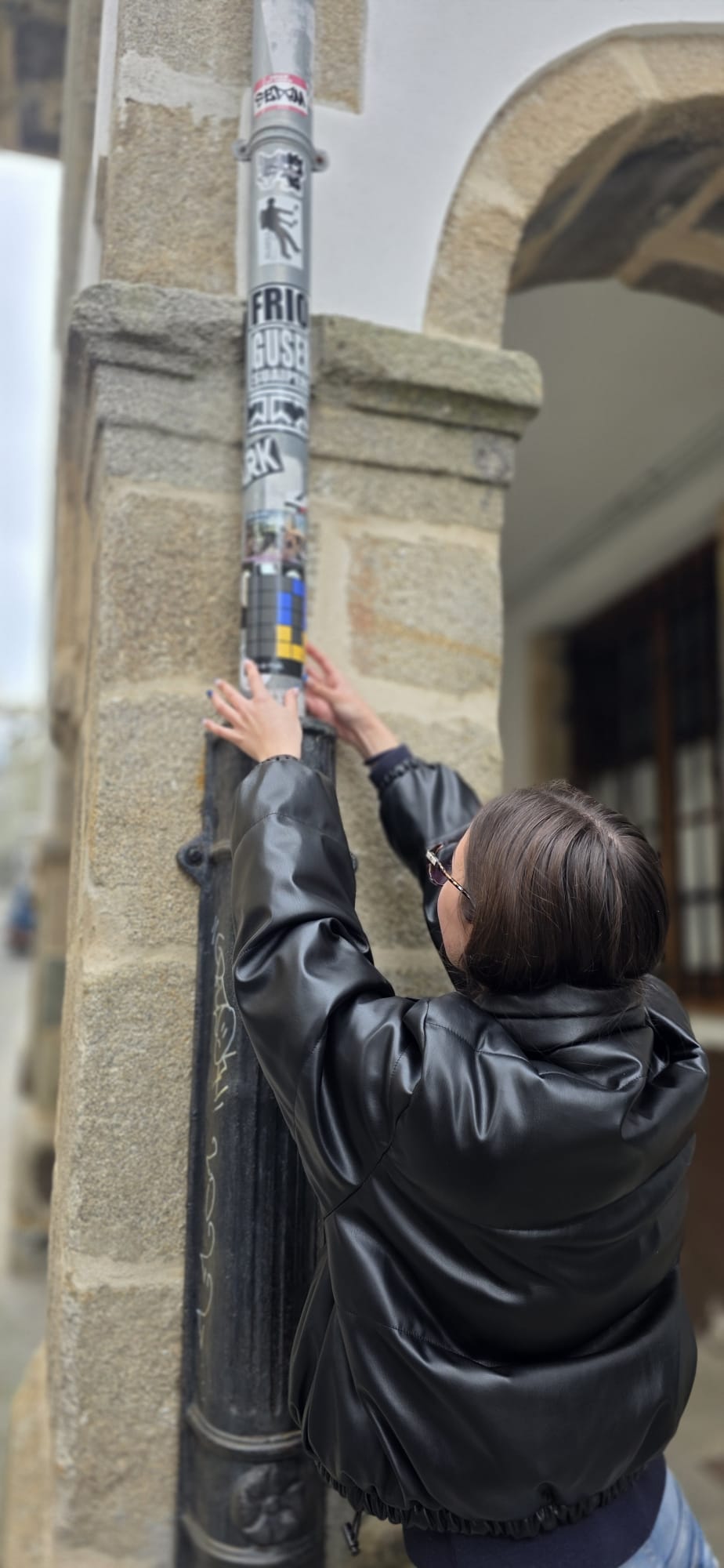
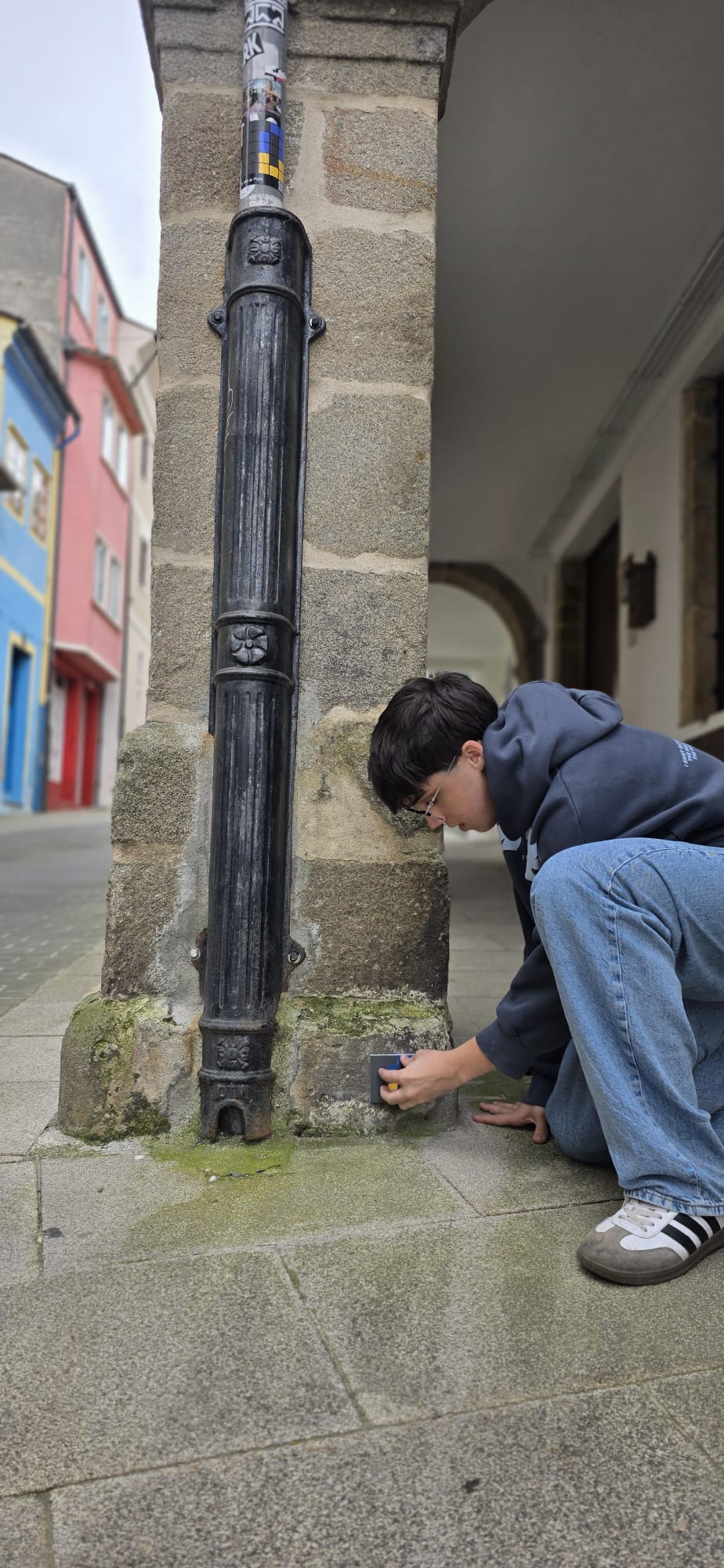
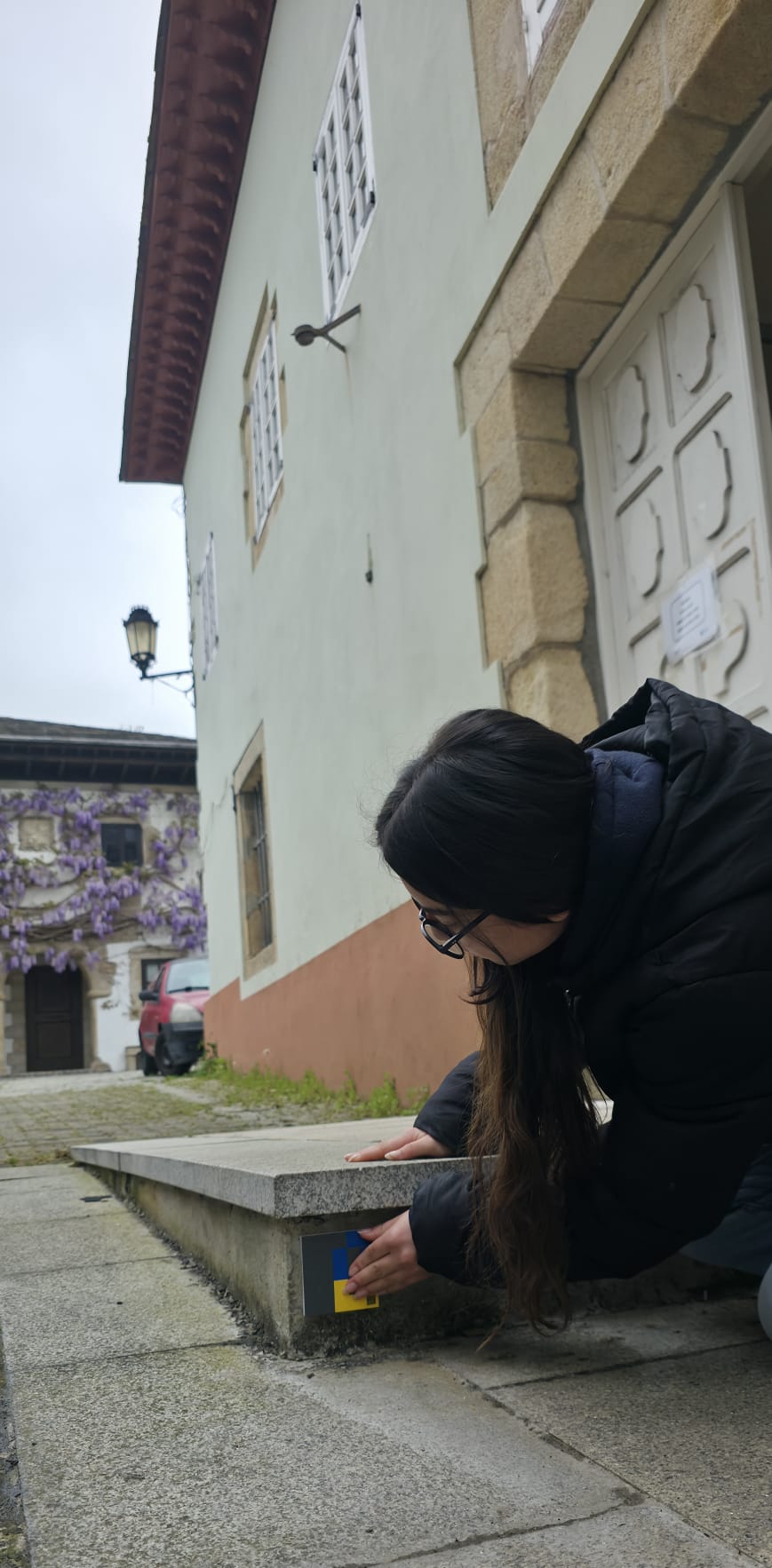
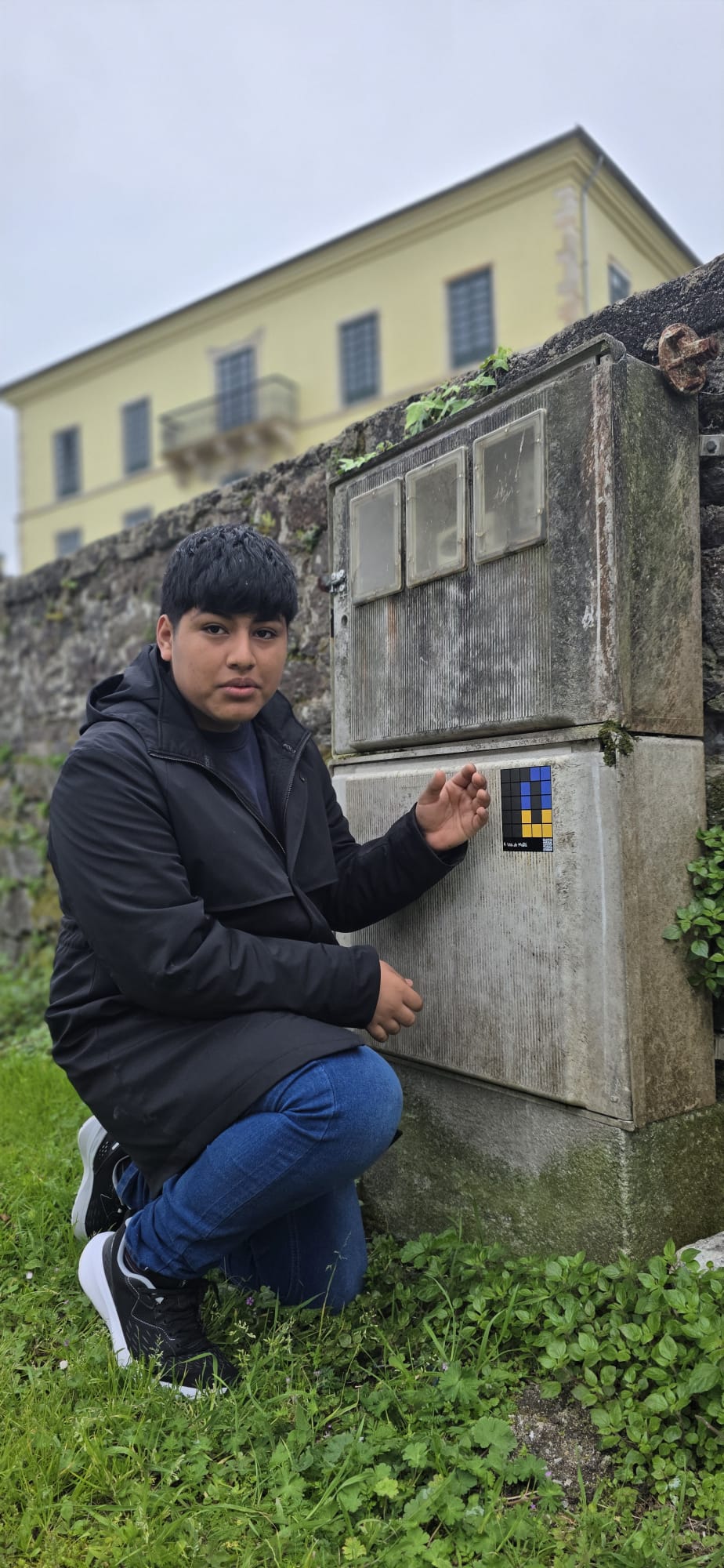
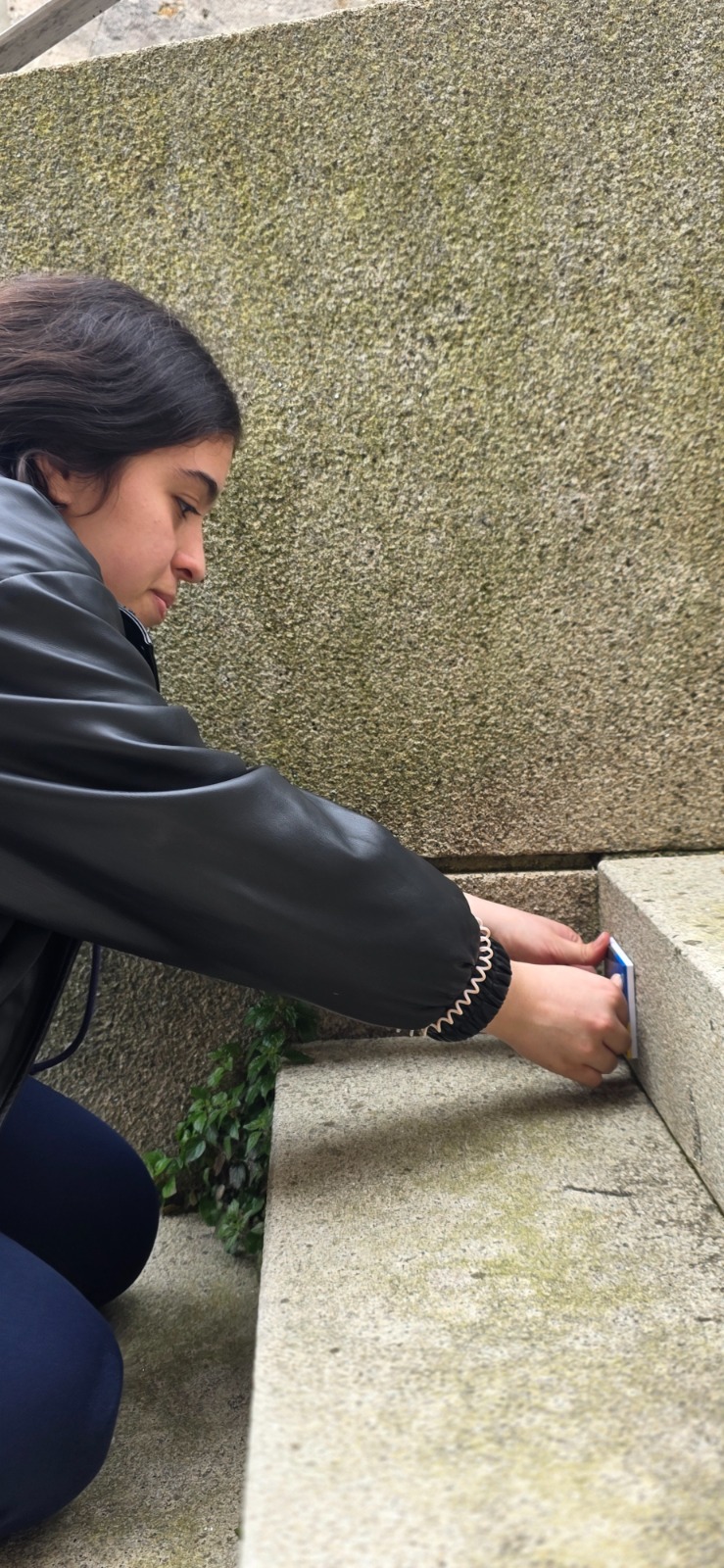
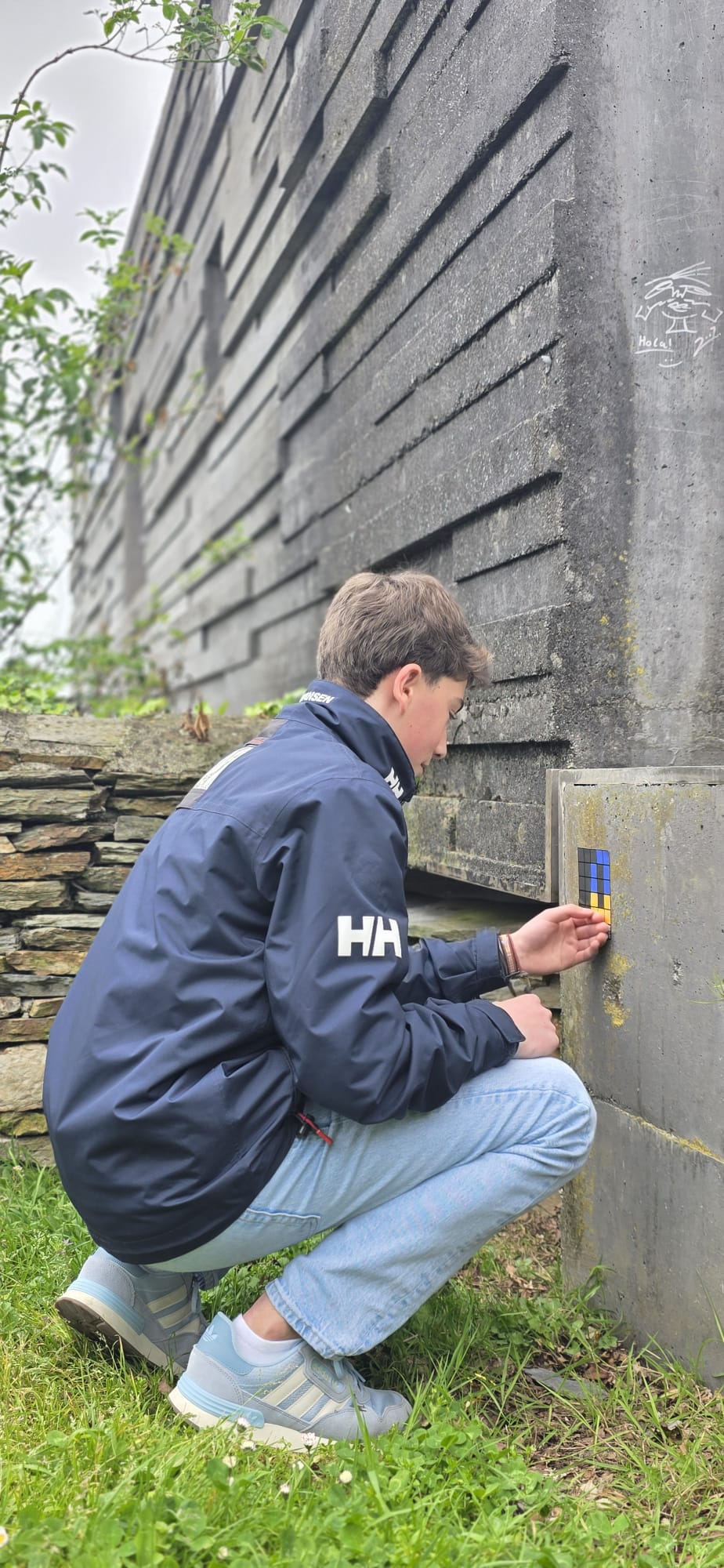
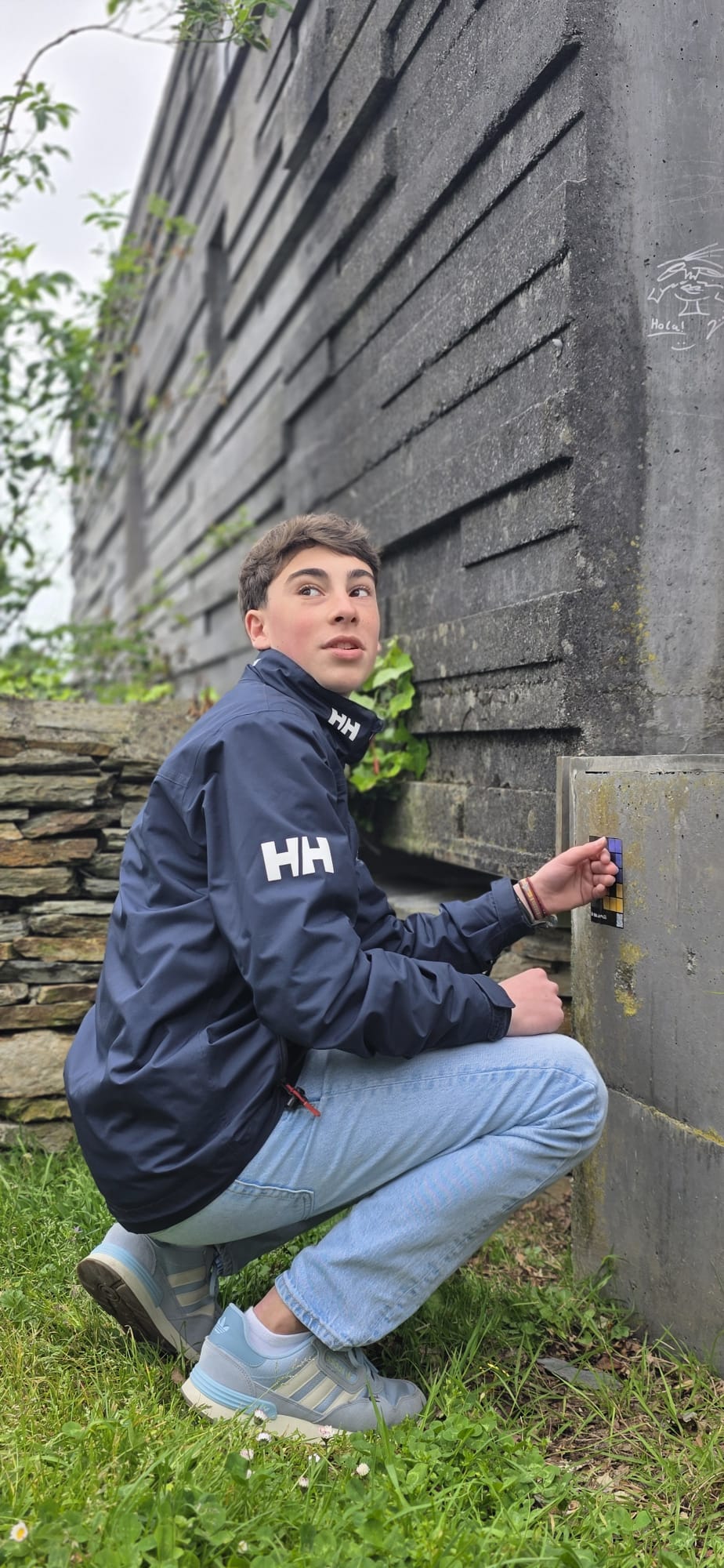
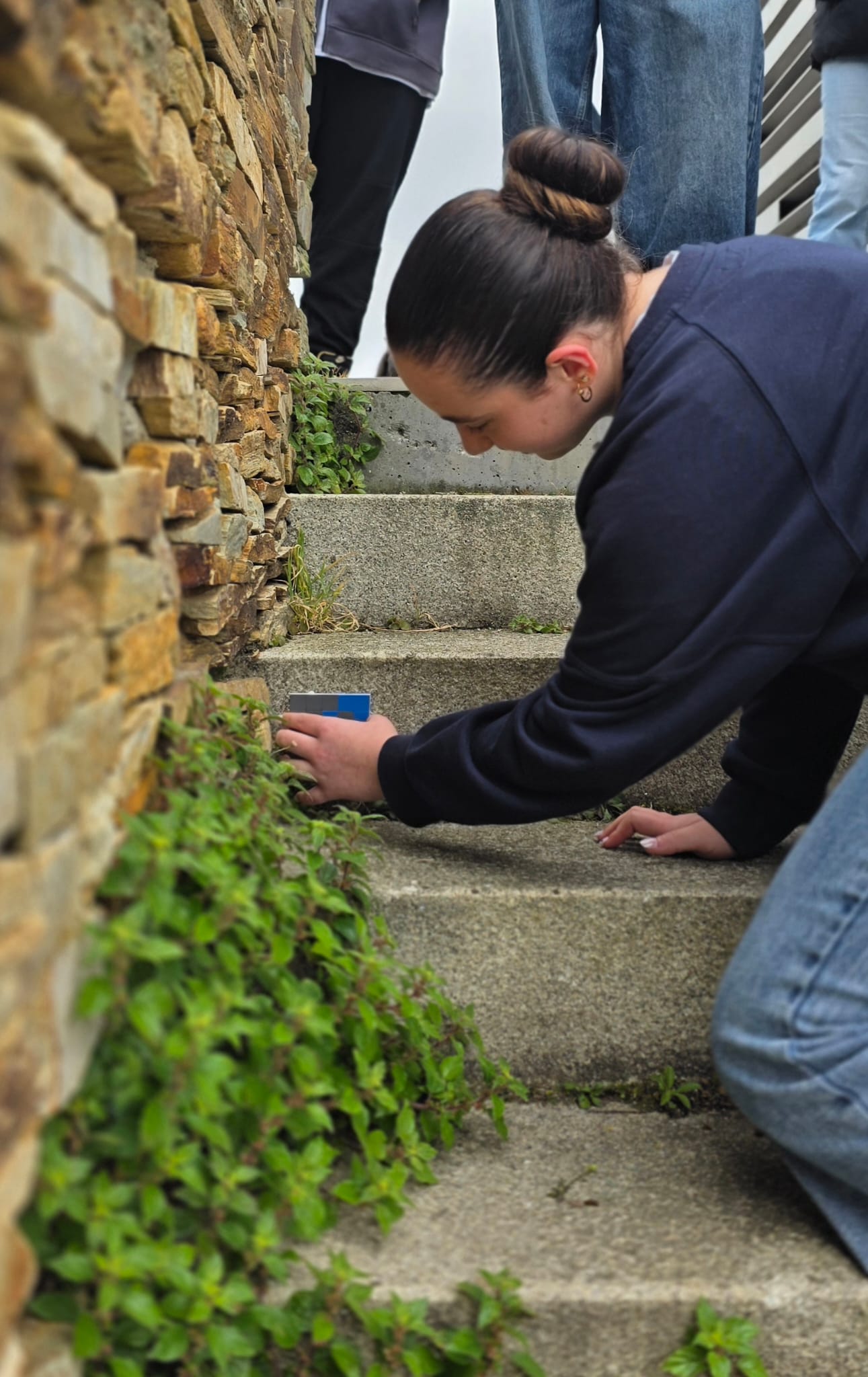
1. The Optician’s House :
The Casa do Óptico is an indiano house from the first decade of the 20th century. Its creator was an optician by profession. It has been a building dedicated to education since its creation and, at present, it is the headquarters of the Official School of Languages (EOI) of Ribadeo.
Students of 3rd PDC of IES Ribadeo Dionisio Gamallo
2. Sela’s house
The Casa da Sela is an indiano house built in 1869. It follows an eclectic style. This house stands out for its grandeur, the sobriety of its decoration, and the simplicity of its lines.
Students of 3rd PDC of IES Ribadeo Dionisio Gamallo
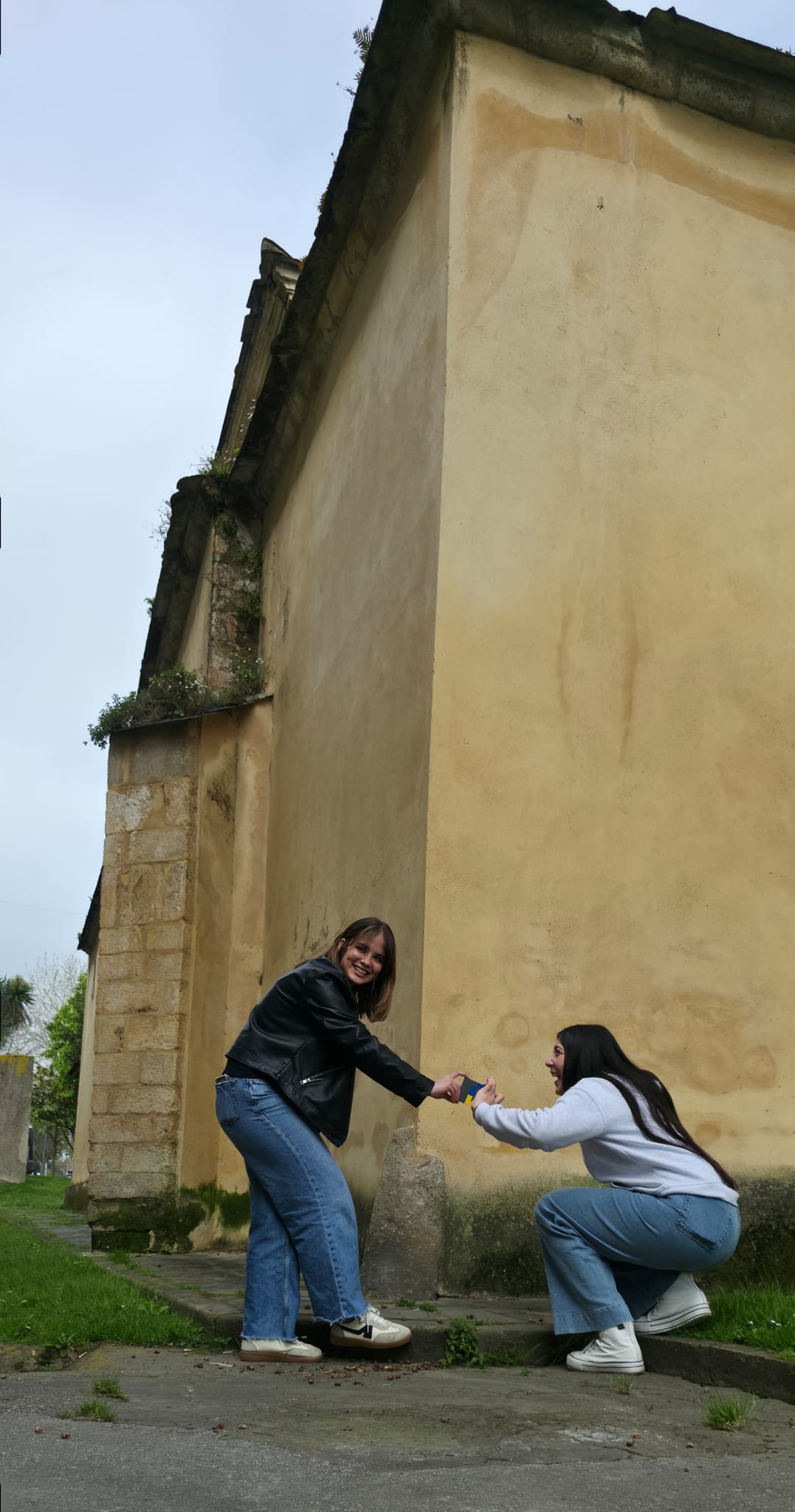
3. Virxe do Camiño Chapel:
This chapel is located on San Roque Street in Ribadeo. A curious fact about this building is that it is not known when it was built or by whom. Its name is related to its location, since, in the past, the chapel was located beside the road that led to Viveiro. From this building, we can highlight its nave covered with a vault, the triumphal arch, and the dome.
Students of 3rd PDC of IES Ribadeo Dionisio Gamallo
4. Calzada House :
The Casa da Calzada is an indiano house with modernist touches built in 1910 by the Lanza family. The house’s tower is intended to display the family’s social status, and its façade and garden have a very typical French influence of the time, both in Europe and in America.
Students of 3rd PDC of IES Ribadeo Dionisio Gamallo
5. Red House :
6. The Cocos :
7. Market Square :
8. Santa María do campo church :
This church was part of a Franciscan convent and was originally a medieval temple. Following the disentailment (desamortización), the church was abandoned until the early 20th century, when it was renovated and expanded. Currently, we can still find parts of the old convent, such as the general layout of the floor plan and the stone slabs of the floor.
Students of 3rd PDC of IES Ribadeo Dionisio Gamallo
9. Town hall :
This building was the former palace of the Marquis of Sargadelos, a very prominent figure in Ribadeo for being the founder of the Sargadelos factory and for playing a very important role during the Enlightenment. This palace became the Town Hall after the Civil War. Nowadays, the figure of the Marquis of Sargadelos warmly welcomes us every time we visit the town hall.
Students of 3rd PDC of IES Ribadeo Dionisio Gamallo
10. Moreno tower :
This building was constructed between 1914 and 1915 at the request of the Moreno Ulloa brothers. Once completed, the work aroused admiration for its innovative character, as uncommon materials for the time were used. Its ornamentation is also noteworthy, as it follows a modernist style. Its iconic dome can be seen from different parts of Ribadeo, since the building is located on the highest plot in the town.
Students of 3rd PDC of IES Ribadeo Dionisio Gamallo
11. The Four-Spout Fountain :
This fountain was built in 1849 in granite masonry. It consists of a circular basin except for one third, where we find a metal-grated drinking trough.
In the centre, there is a square column with mouldings and four water spouts.
Students of 3rd PDC of IES Ribadeo Dionisio Gamallo
12. Antonio Otero street :
This street is one of the most important and emblematic in Ribadeo, as it runs down from the town centre to the port. It is a street that, in addition to its views, reflects the different historical stages of Ribadeo. In the 19th century, the nautical house was located on this street, and today we can visit the municipal public library, the Casa Bengoechea, and the Casa del Patín, the oldest civil building in Ribadeo.
Students of 3rd PDC of IES Ribadeo Dionisio Gamallo
13. Patín house :
The Casa del Patín is the oldest building in Ribadeo, although from the medieval period it only preserves the façade (renovated in the 20th century). Its coat of arms represents the lineage of the Méndez Navia family, a family of Ribadeo origin that became wealthy through the timber trade for shipbuilding in the 18th century. Today, it shares a courtyard with the Municipal Library.
Students of 3rd PDC of IES Ribadeo Dionisio Gamallo
14. Old customs :
This building was originally constructed as a manor house (pazo). It has a Bourbon-style design, with a tower at the back. It is a three-storey building facing north, and its main façade is made up of three large semicircular arches and openings. The building has had different uses, being briefly rented as a customs house during a very short period in the 19th century. It has had many functions, among which stands out its use as a school for boys and girls during the 1920s and 1930s, up until the beginning of the Civil War.
Students of 3rd PDC of IES Ribadeo Dionisio Gamallo
15. Chapel of the Holy Trinity :
This chapel was built in the 12th century by order of Ferdinand II and is one of the oldest temples in Ribadeo. It is located at a viewpoint overlooking the estuary and the port, which is why this church has a second name: La Atalaya, a name that refers to the place where navigators were formerly guided with torches.
In addition to being a church, it also served as a venue for guild meetings and open councils. Next to the church, we can see two cannons that demonstrate the defensive role of this place.
Students of 3rd PDC of IES Ribadeo Dionisio Gamallo
16. Panoramic elevator :
This lift descends from La Atalaya or the Church of the Holy Trinity to the port, in a 35-metre drop that connects the historic centre with the harbour area and its seafront promenade.
This project was carried out in 2005 and, in addition to being very useful for going down or up the 35-metre difference in height, inside it we can enjoy wonderful views of the River Eo and the surroundings of Ribadeo.
Students of 3rd PDC of IES Ribadeo Dionisio Gamallo

Colour your village
The village or city in which we are working, transformed into a game board, a laboratory of experimentation where children and teenagers can act from a new point of view.