



Ribadeo
CHANGING THE VILLAGE THROUGH PROTAGONIST PARTICIPATION
THE VILLAGE AS A GAMEBOARD
In A Vila do Mañá, every town or city can become a PLAYGROUND, but the game board does not appear at the beginning of the process: it is gradually built from the way in which girls, boys and adolescents discover and reinterpret the place they inhabit.
In their first encounters with the town or city, their view is often closely connected to the spaces of everyday life and consumption: the home, the car, the school, the shopping centre, the sports centre or the playground. A journey from box to box, in which streets, squares, buildings, landscapes and other elements of the surroundings can easily go unnoticed.
Through play, walks, observation and experimentation, we seek to broaden this perspective. The participating group begins to discover other places, details, architecture, stories, landscapes and everyday spaces; elements they see anew, interpret and ultimately recognise as part of the identity of their town or city.
These choices are what ultimately build the PLAYGROUND: a collective representation that does not stem from an official map, but from the transformation of the participants’ perspective and the new connections they develop with the place.
Each game board therefore tells not only what a town or city is like, but also how girls, boys and adolescents have learned to see it in a different way.

“Every city has its own history, its own landmarks. I’m not only referring to those buildings officially recognised as important parts of the nation’s historical heritage. I mean, above all, the places that belong to the city’s memory — places that are fundamental to its identity, to the sense of belonging to a city. Whether it’s a factory, an old tram stop, or one of those grocery shops where everything was ingenuously displayed.”
Jaime Lerner
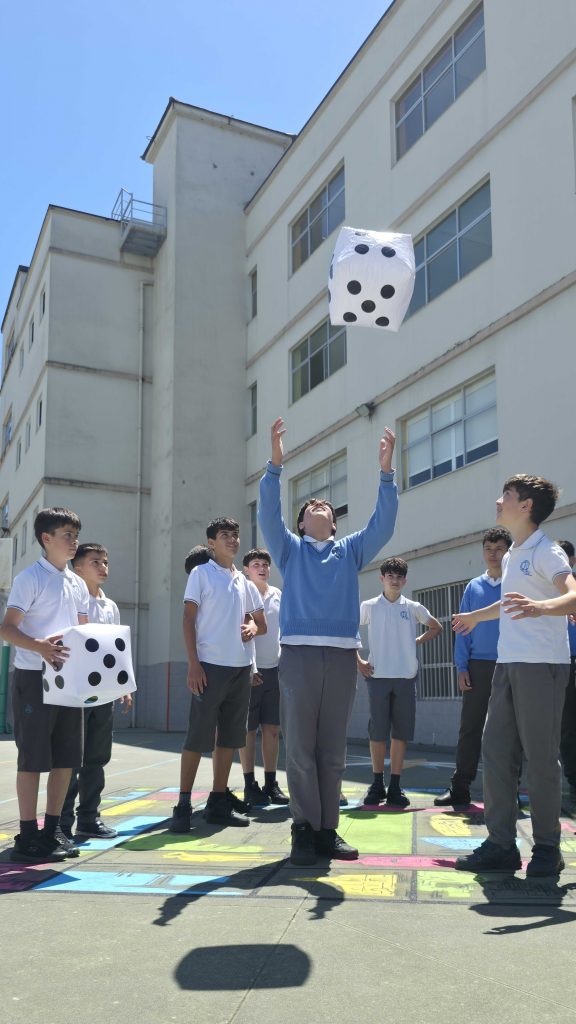
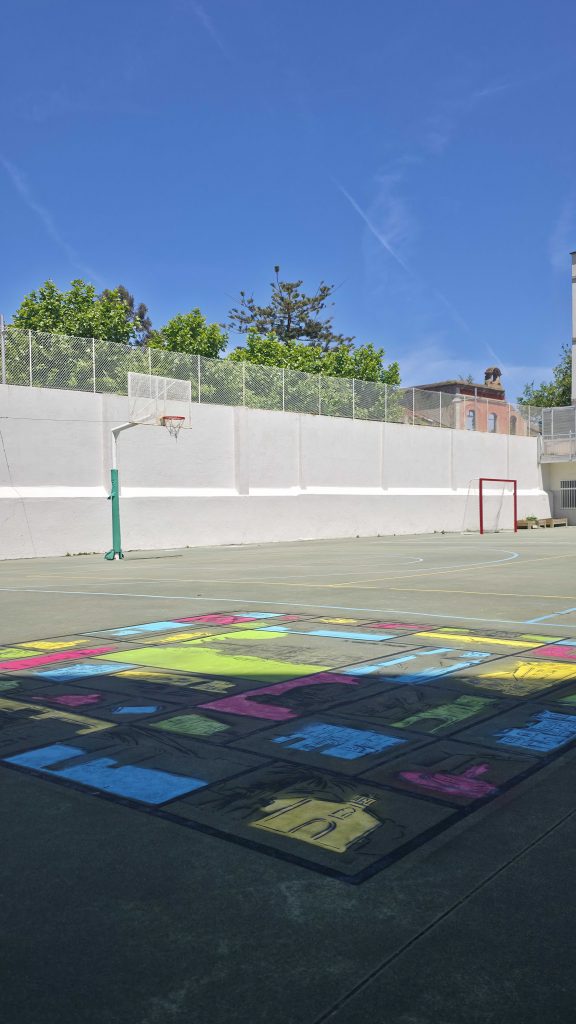
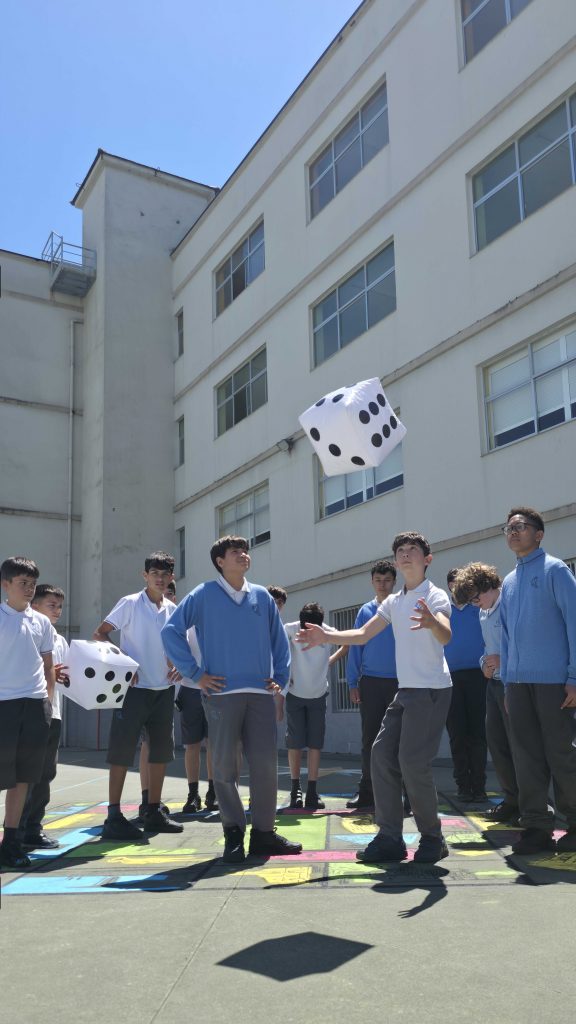
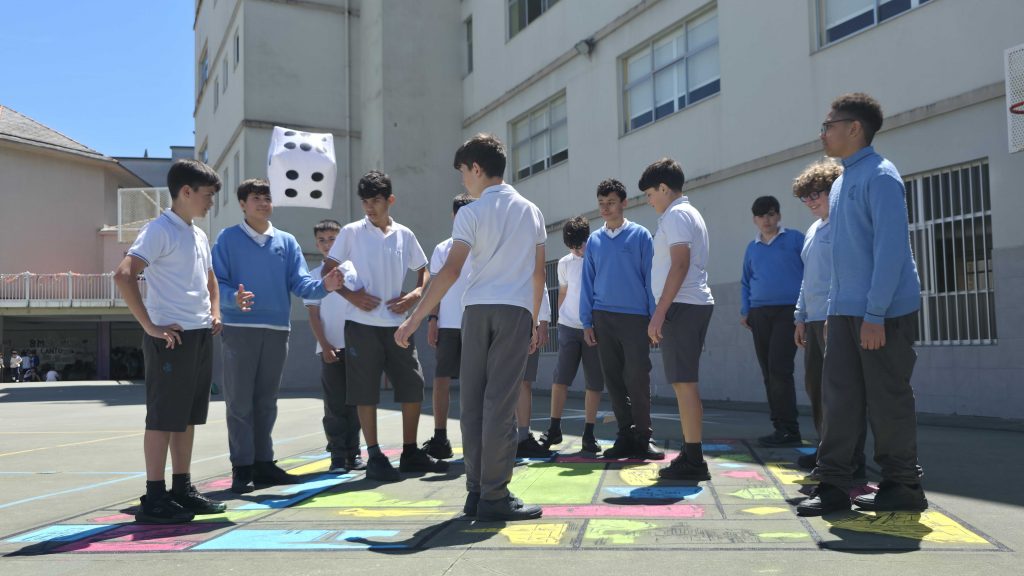
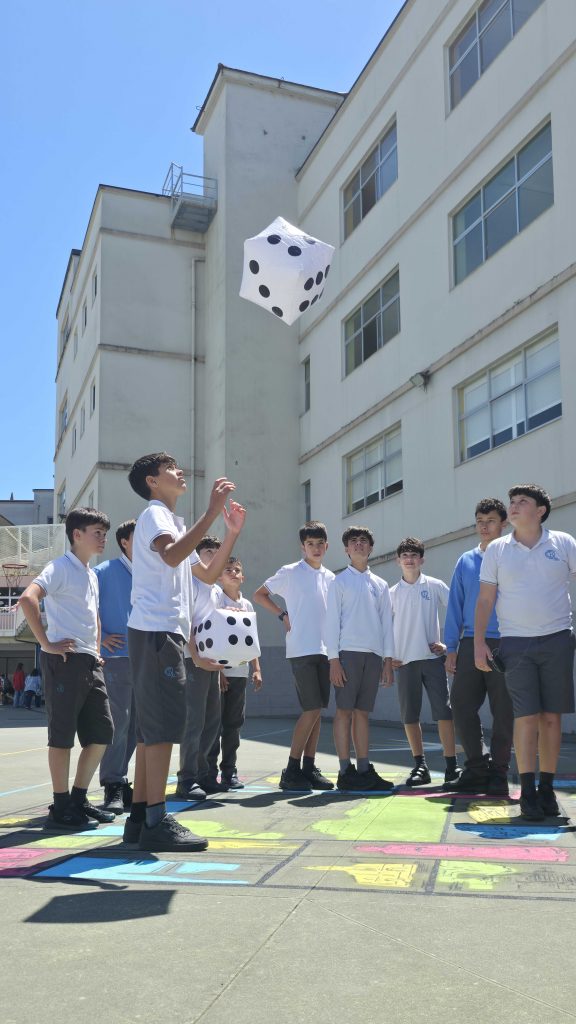
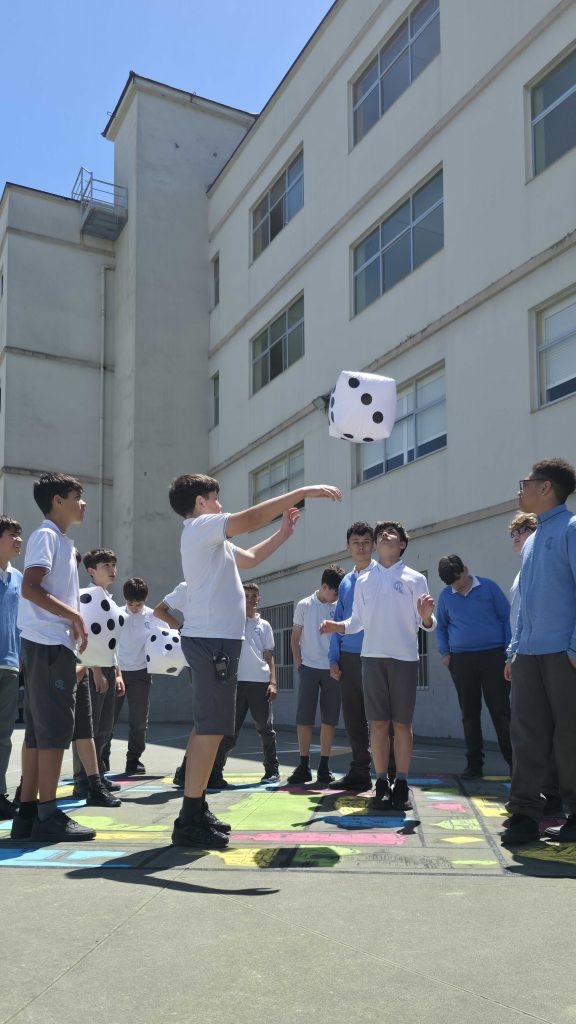
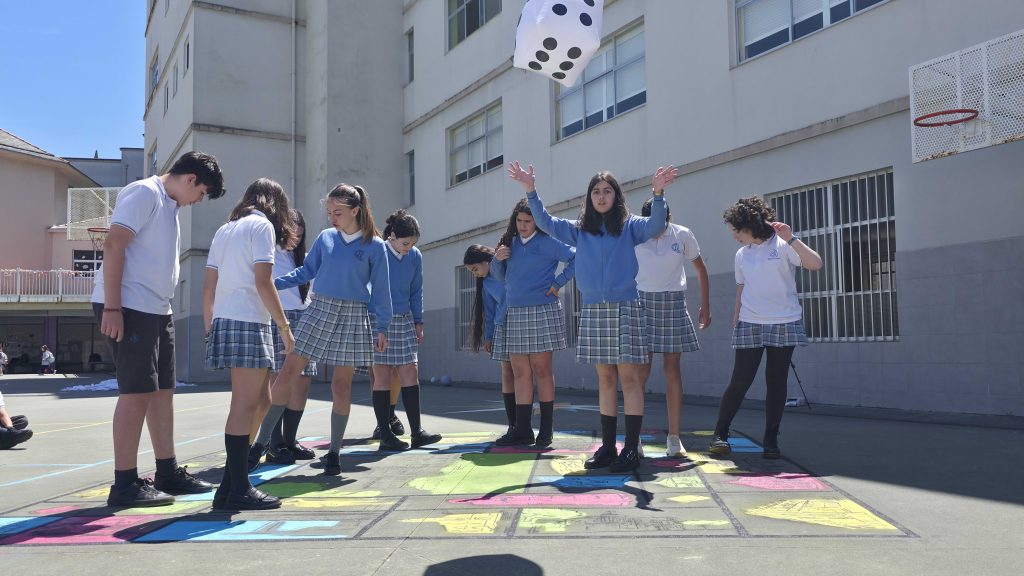
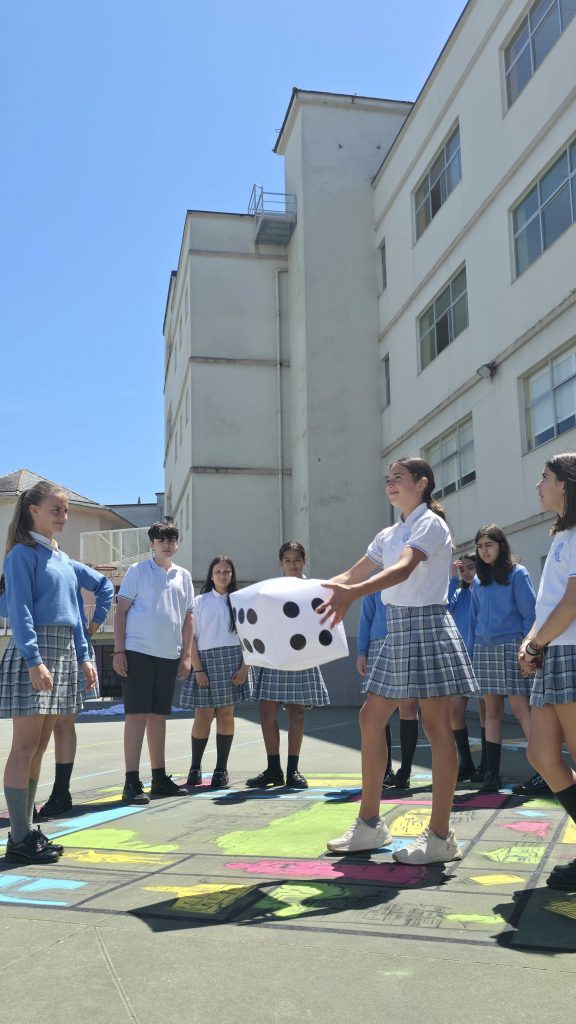
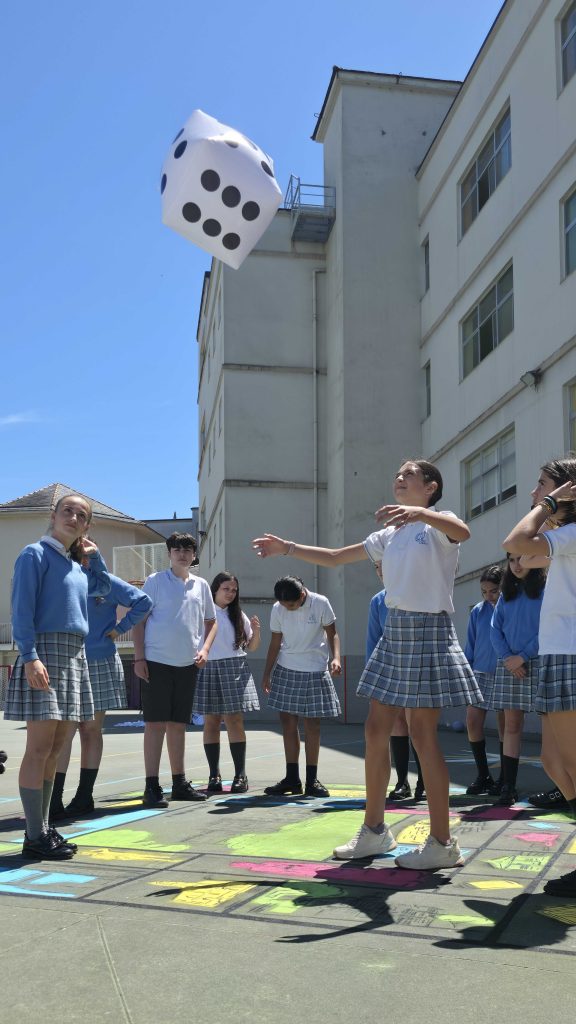
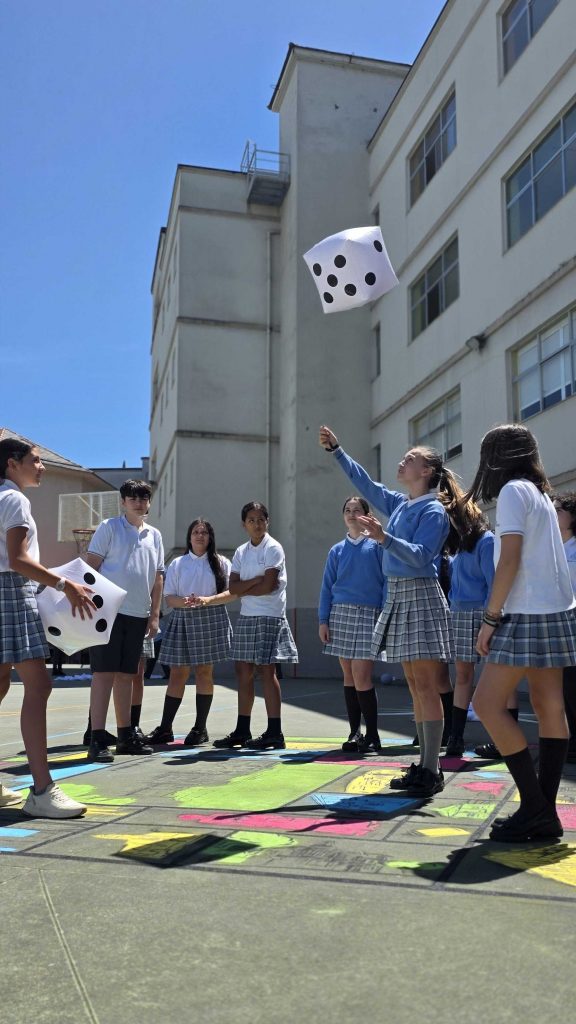
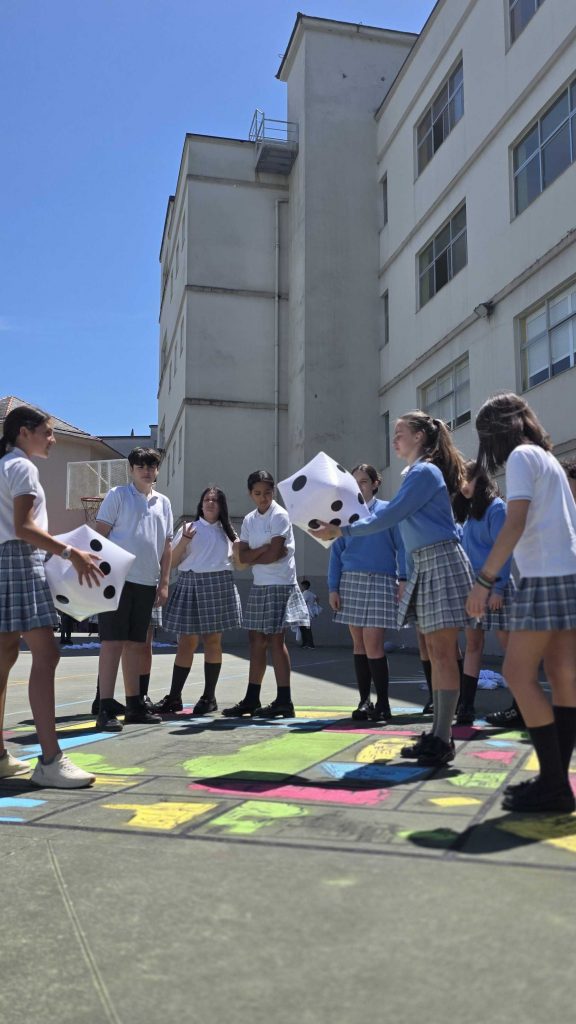
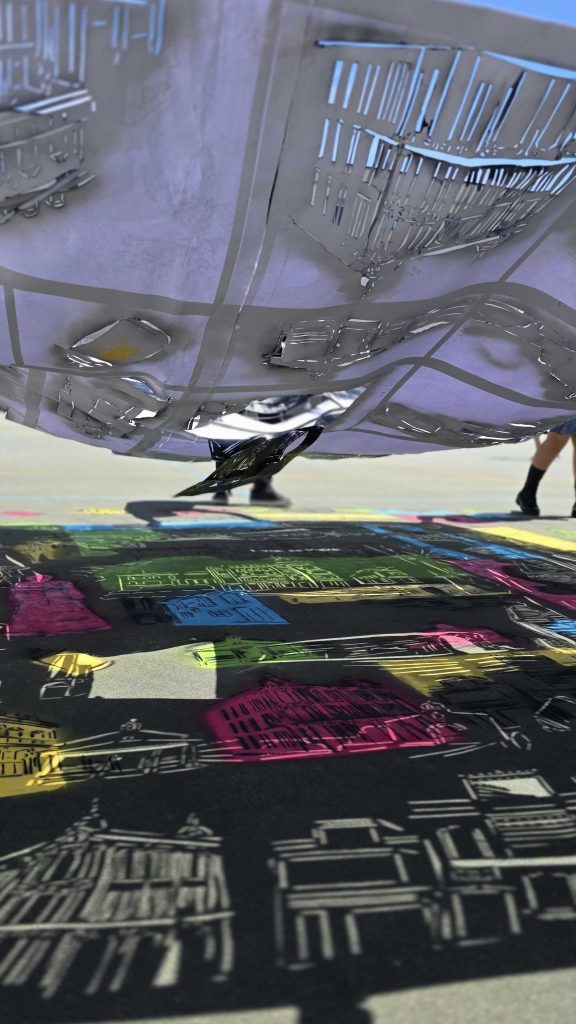
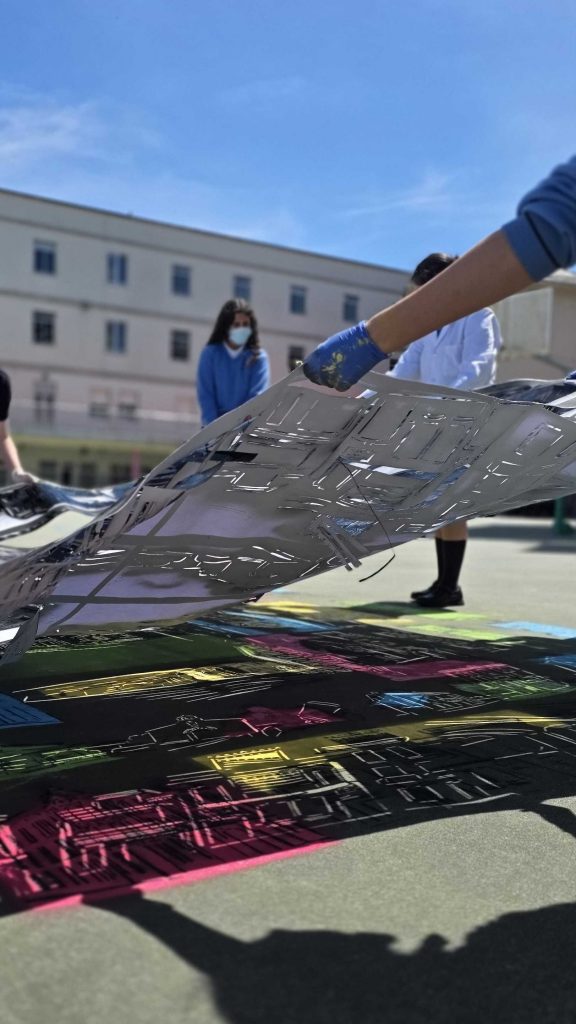
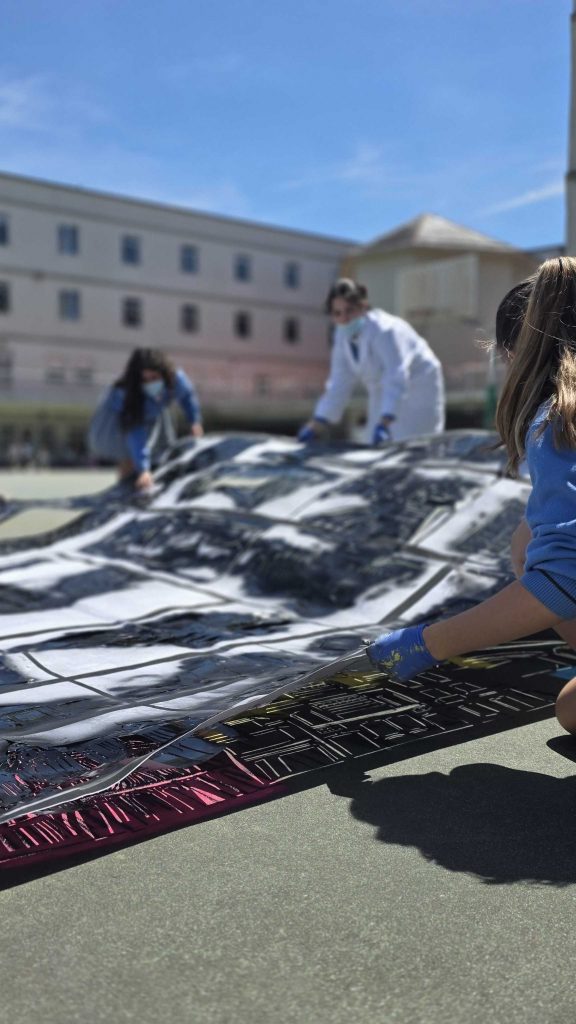
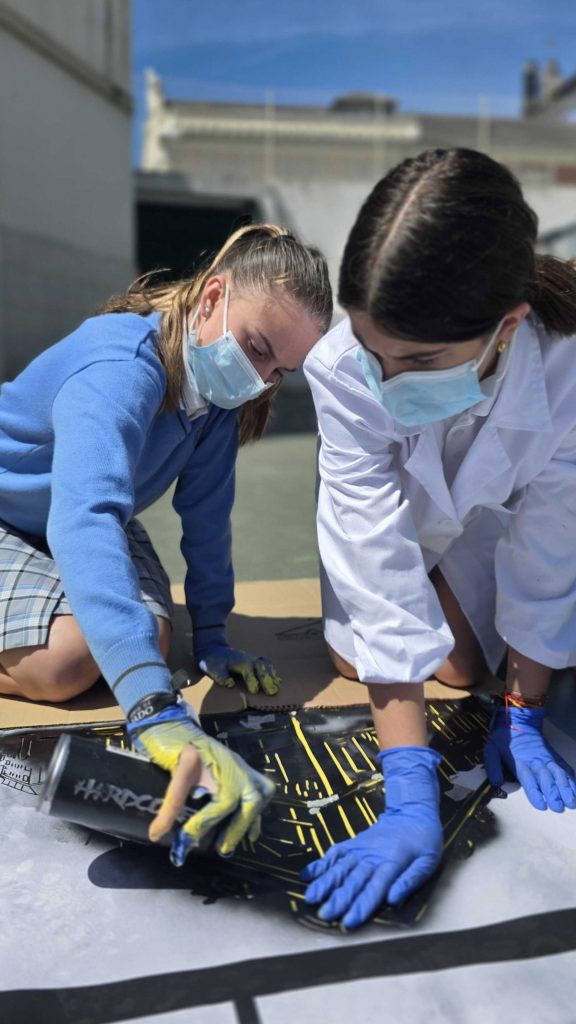
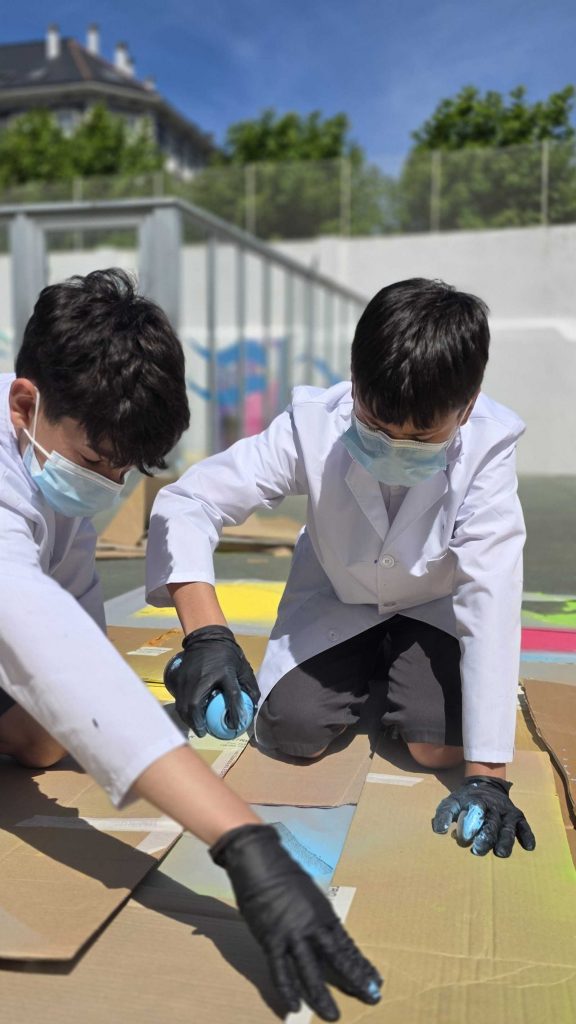
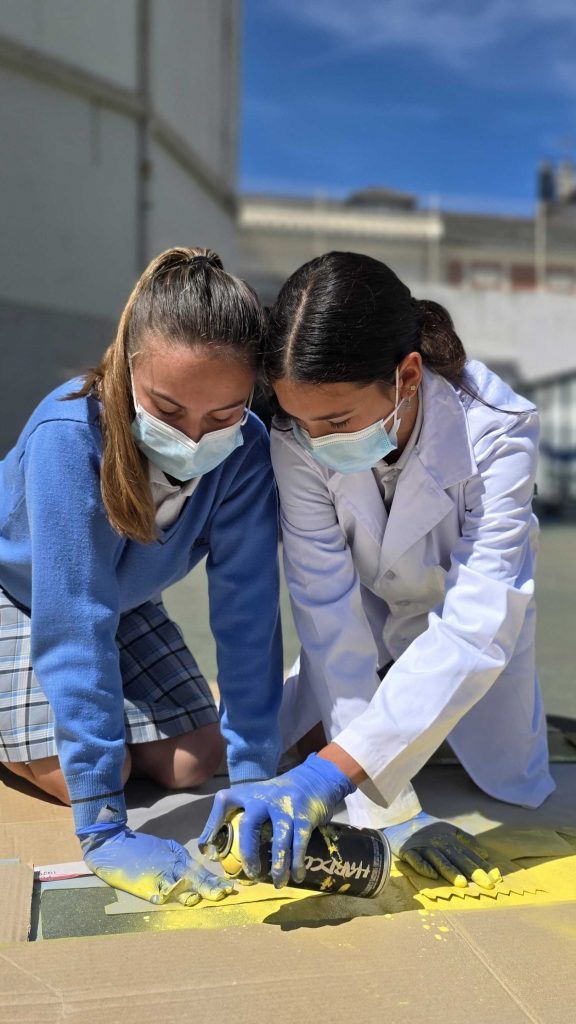
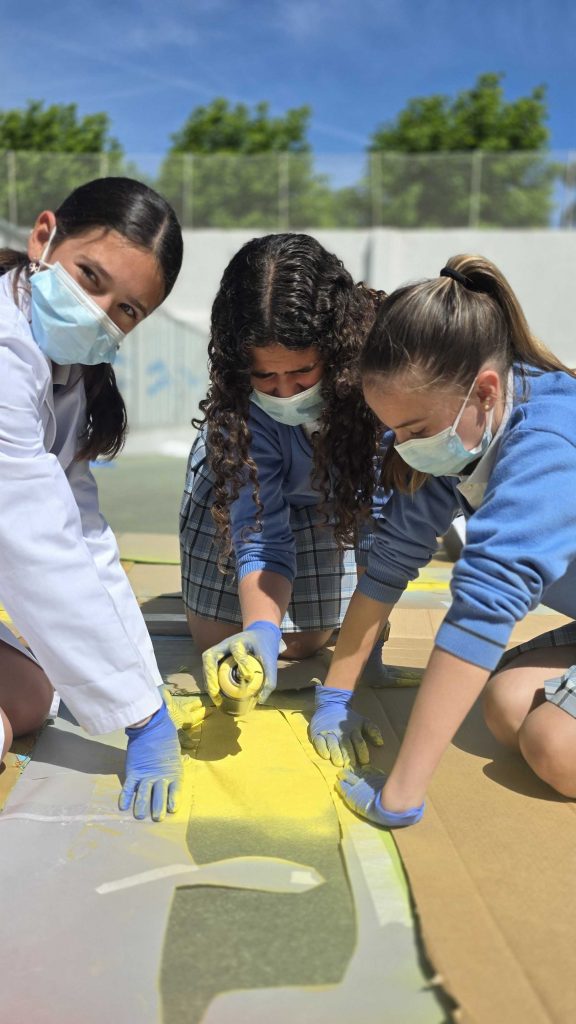
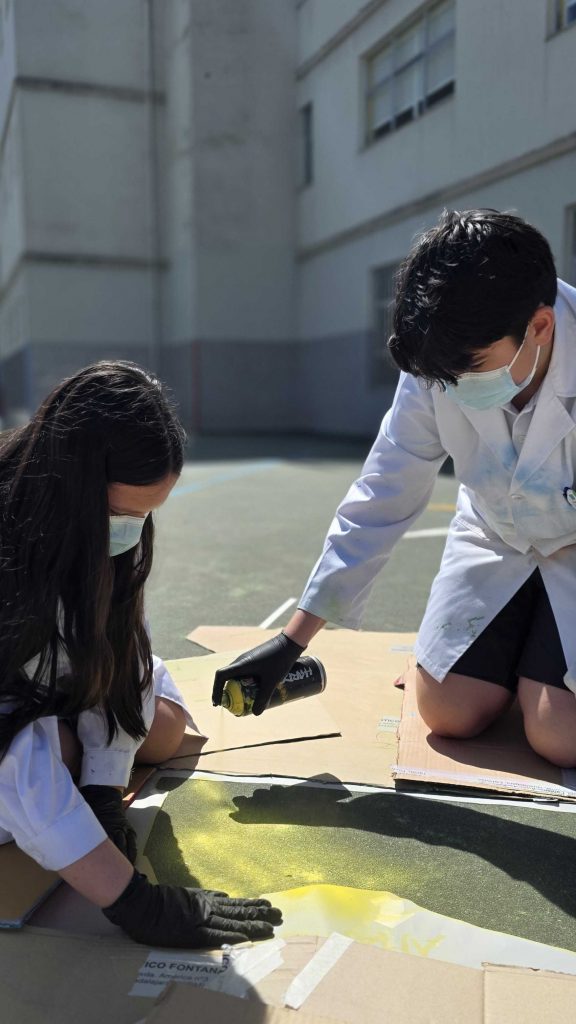
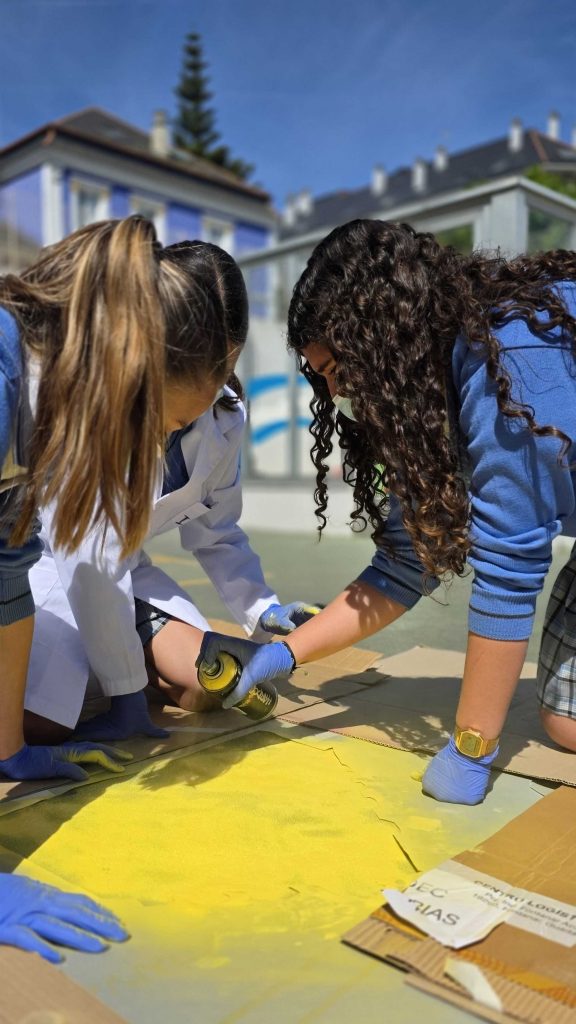
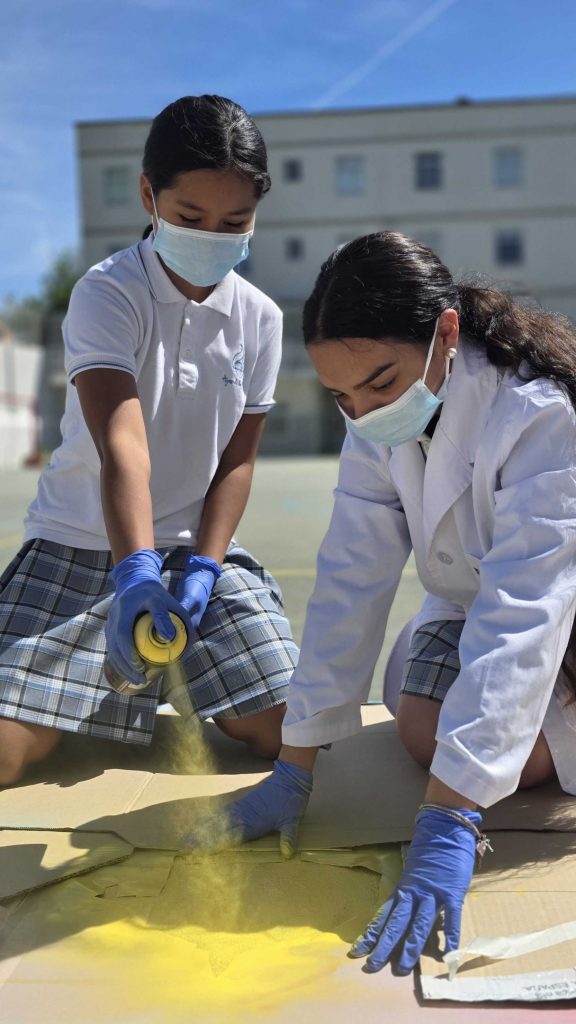
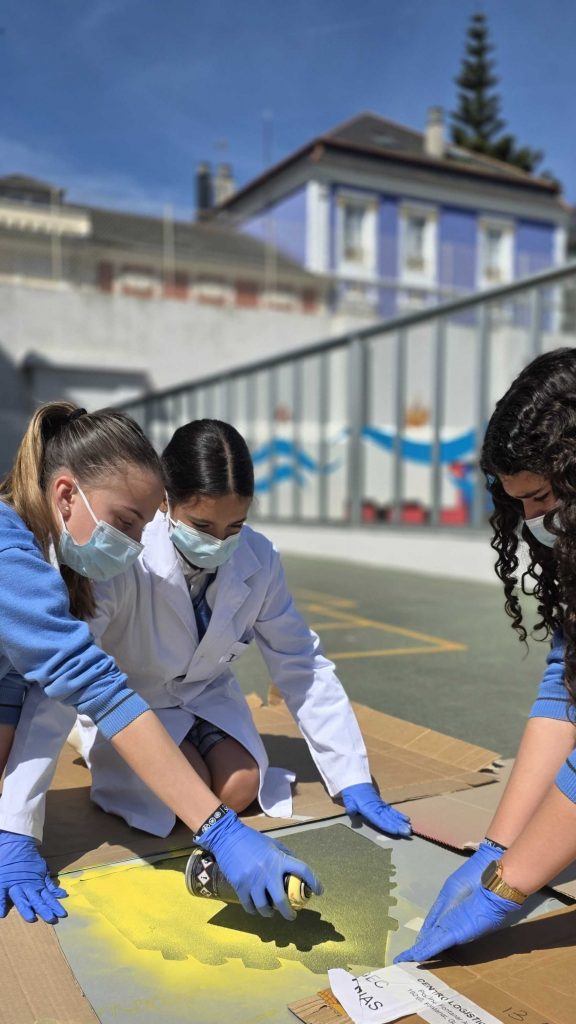
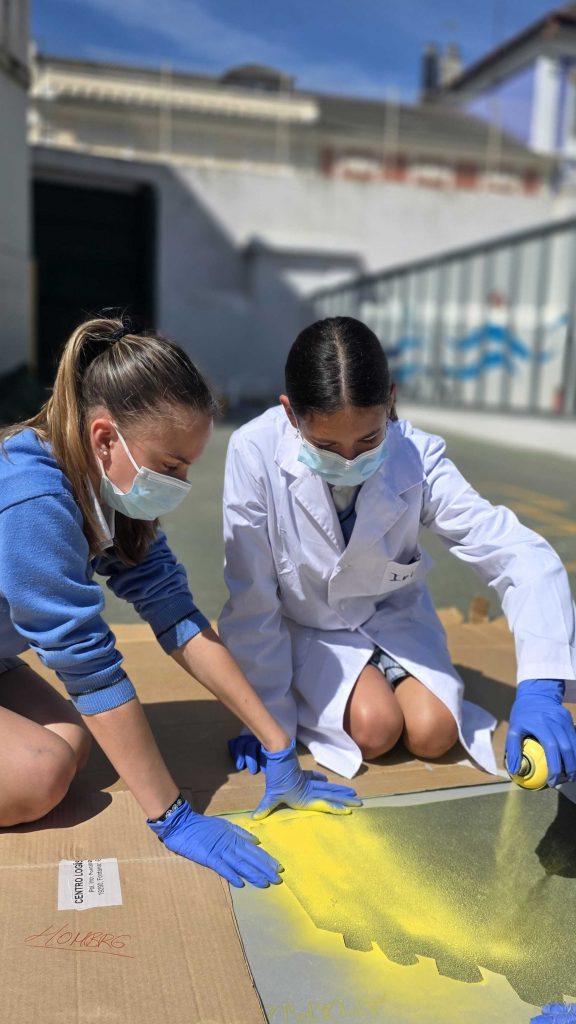
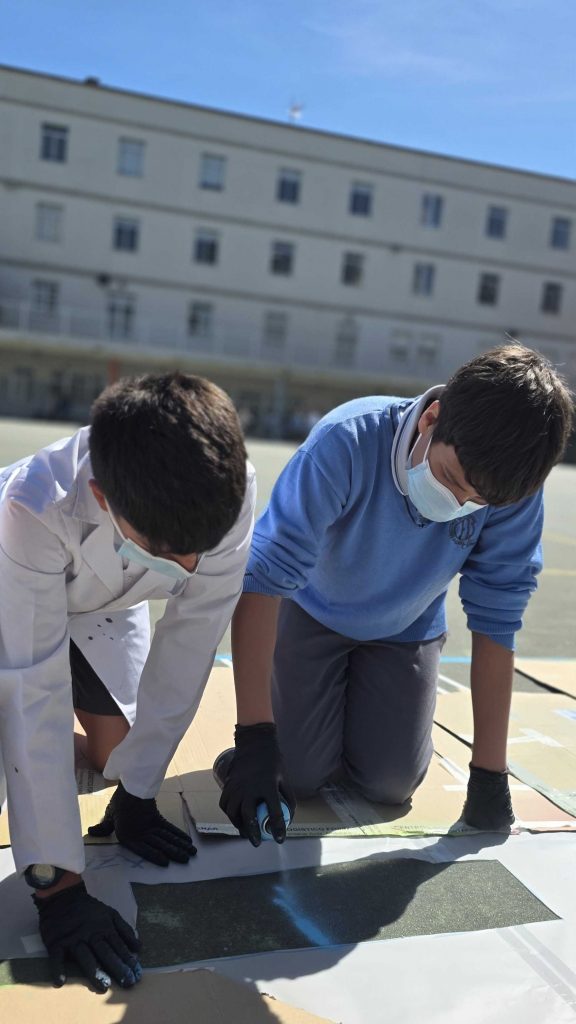
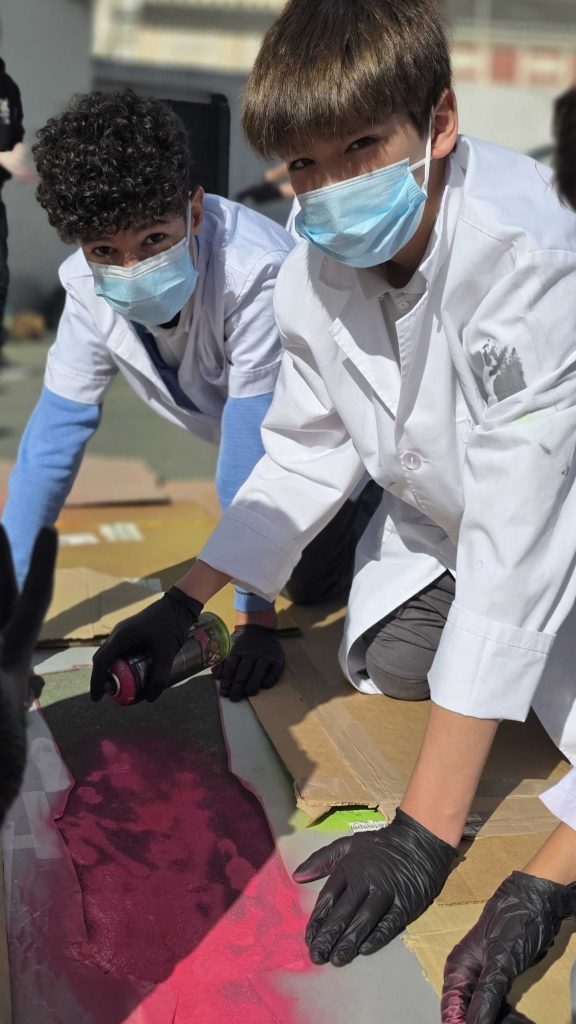
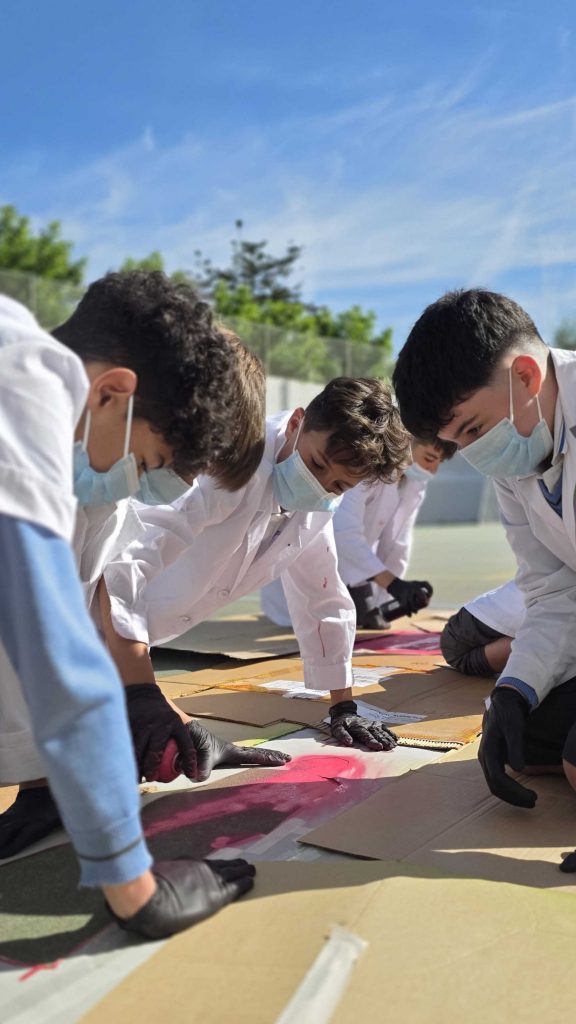
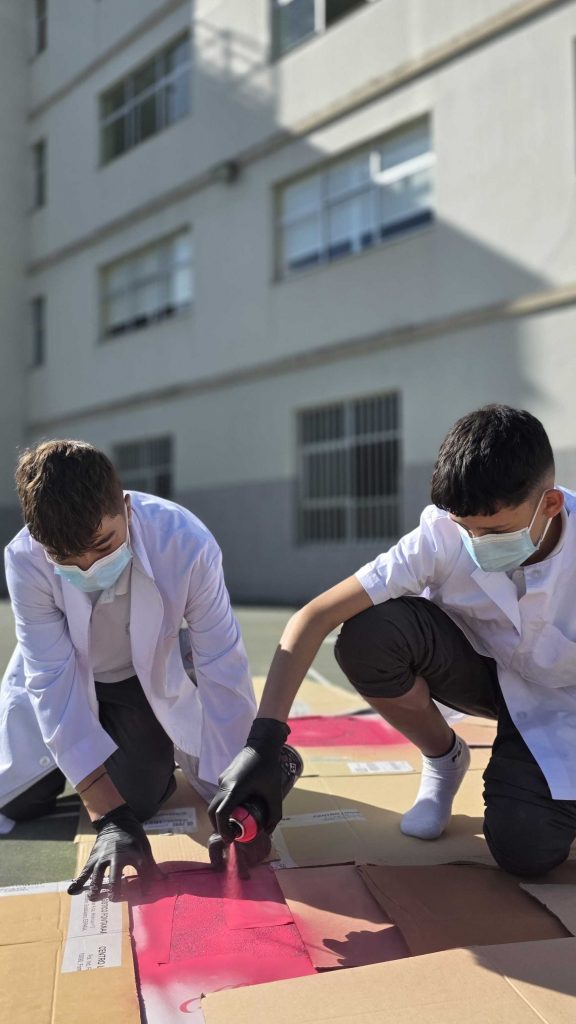
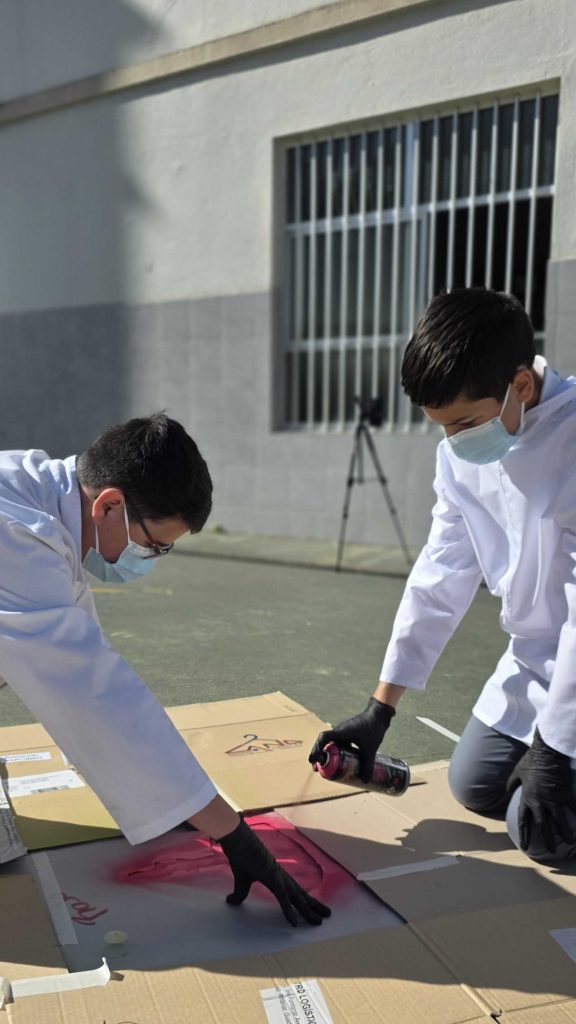
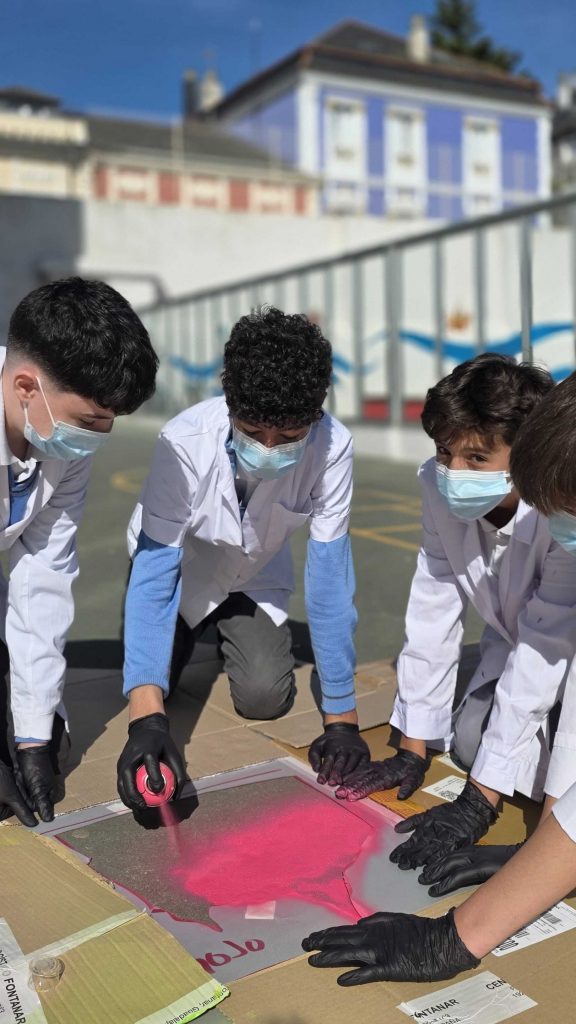
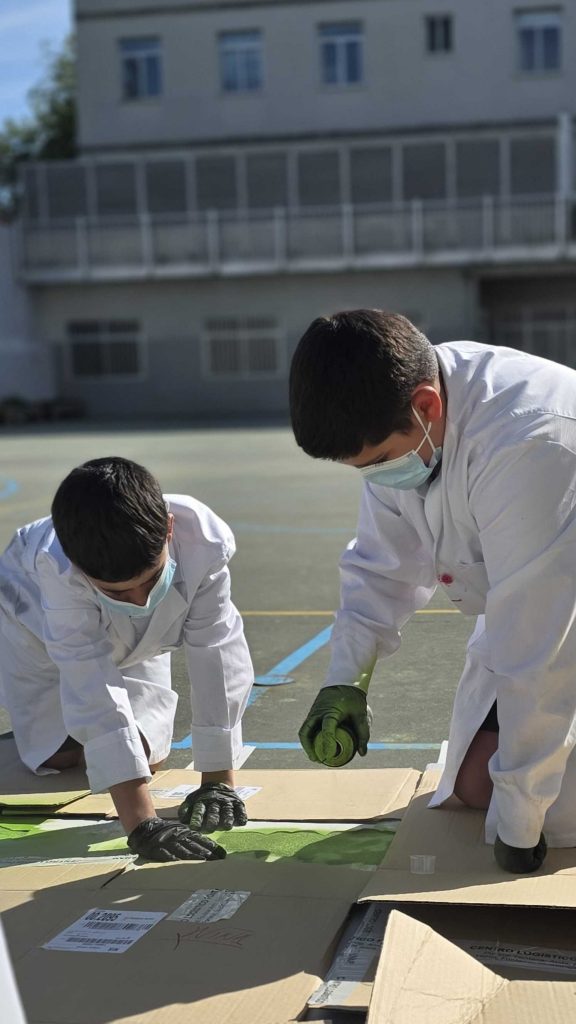
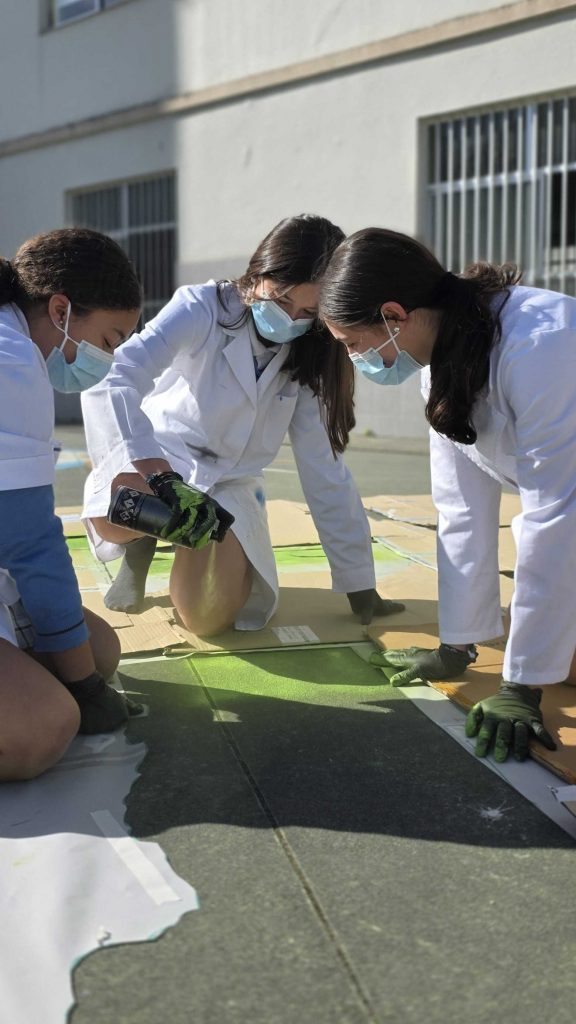
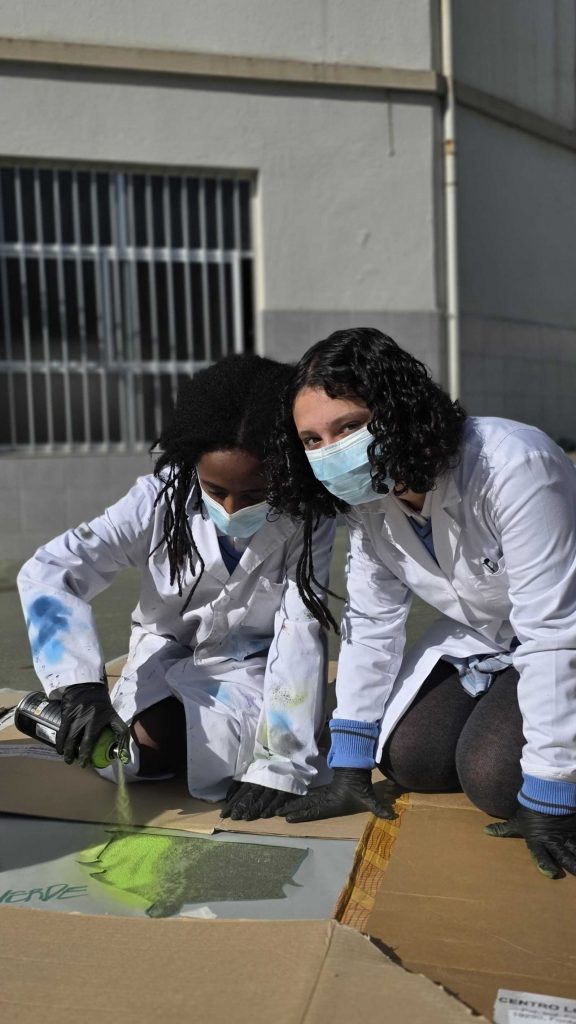
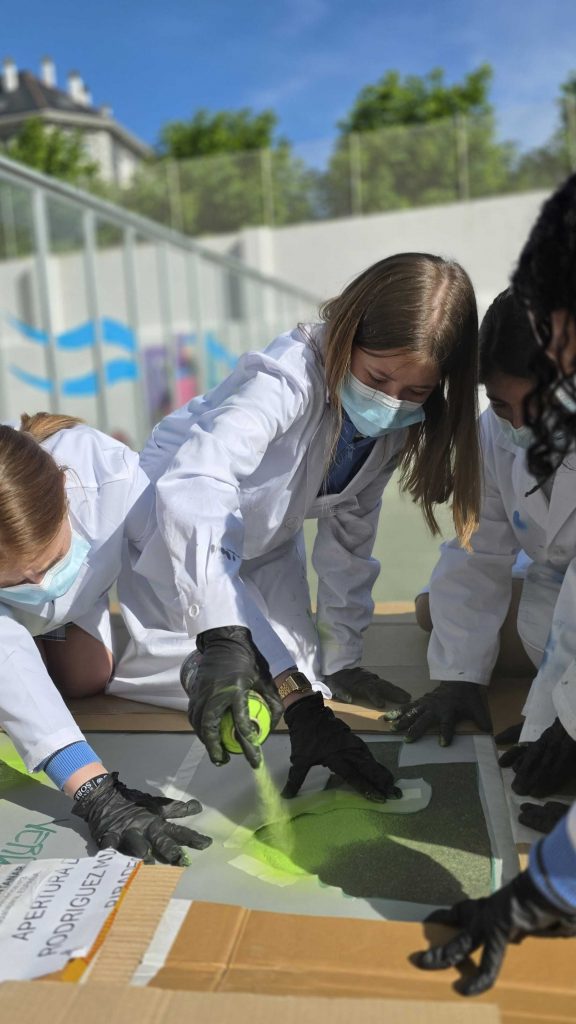
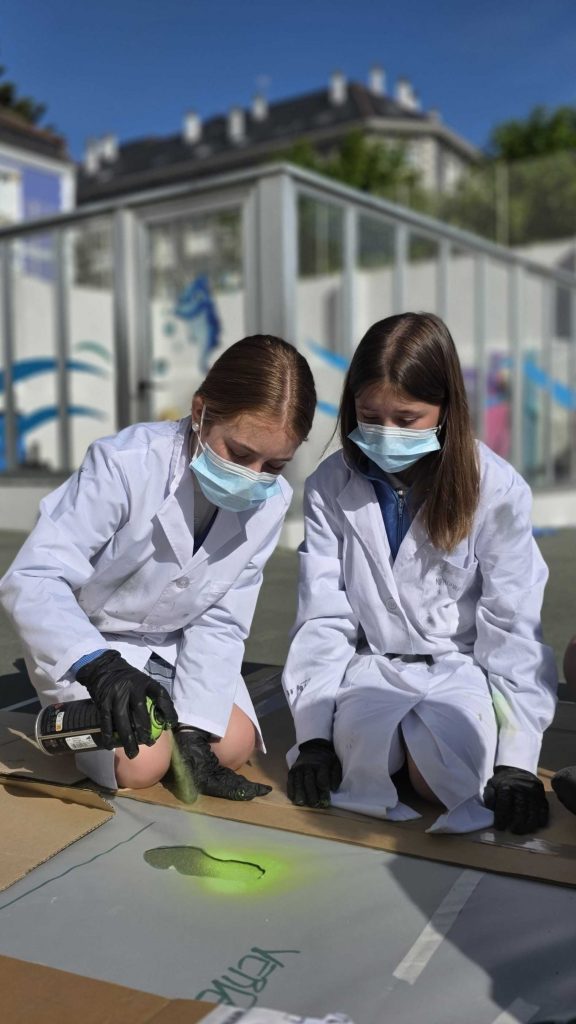
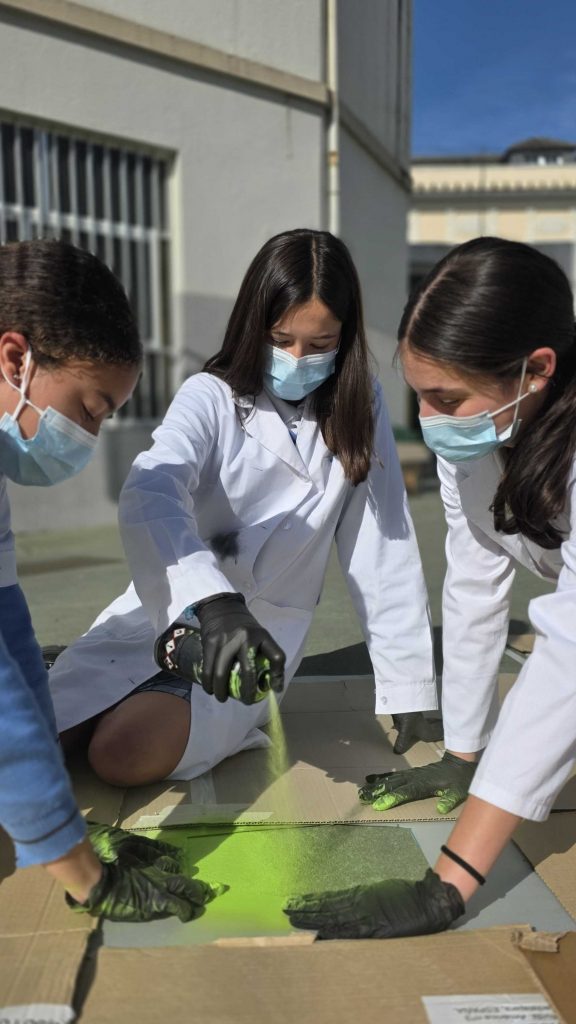
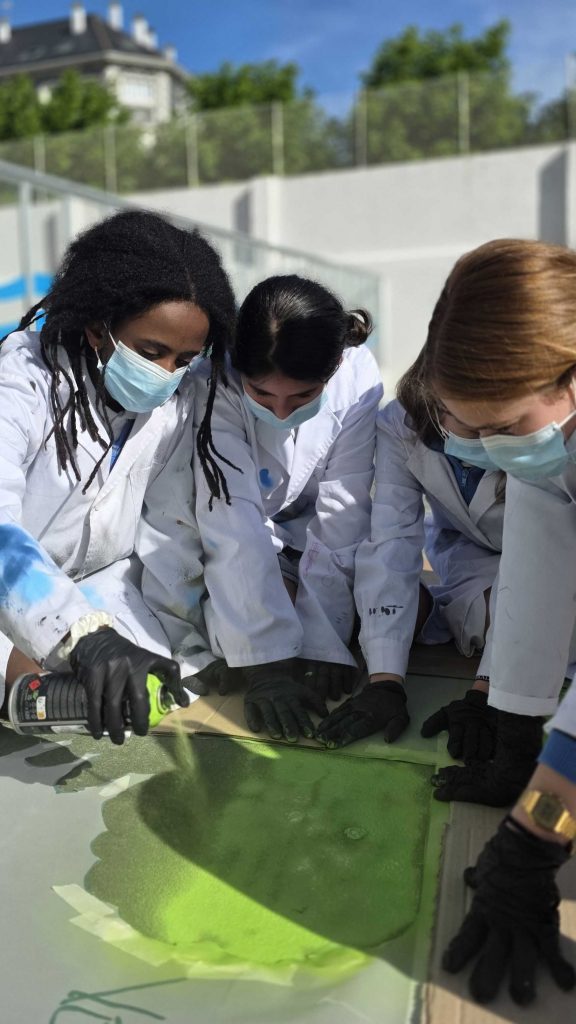
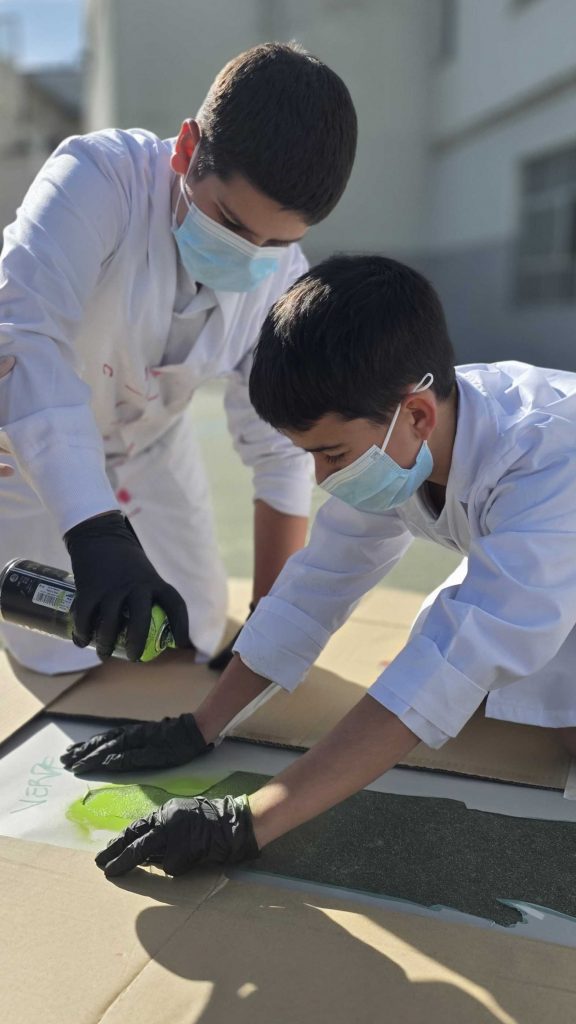
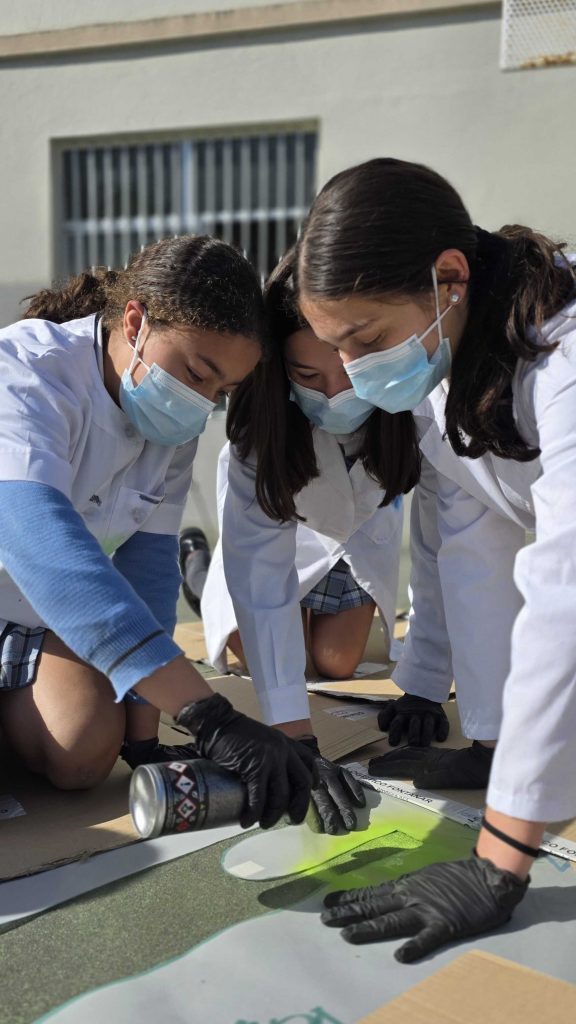
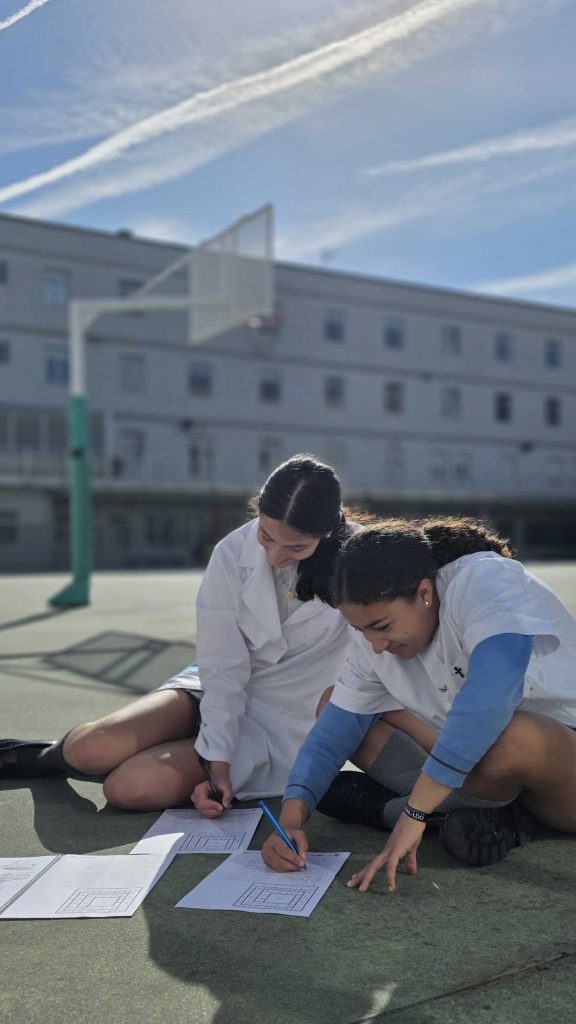
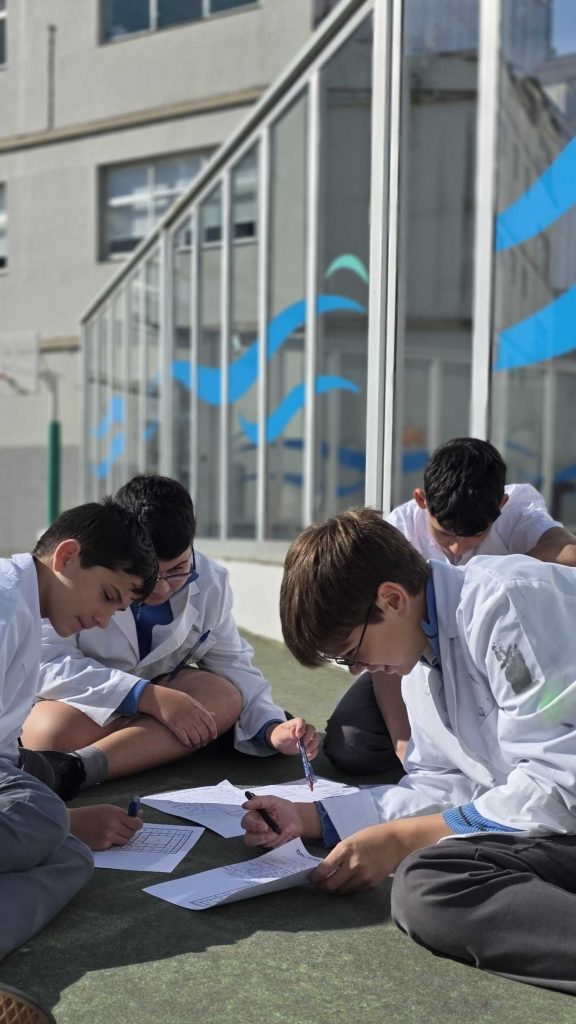
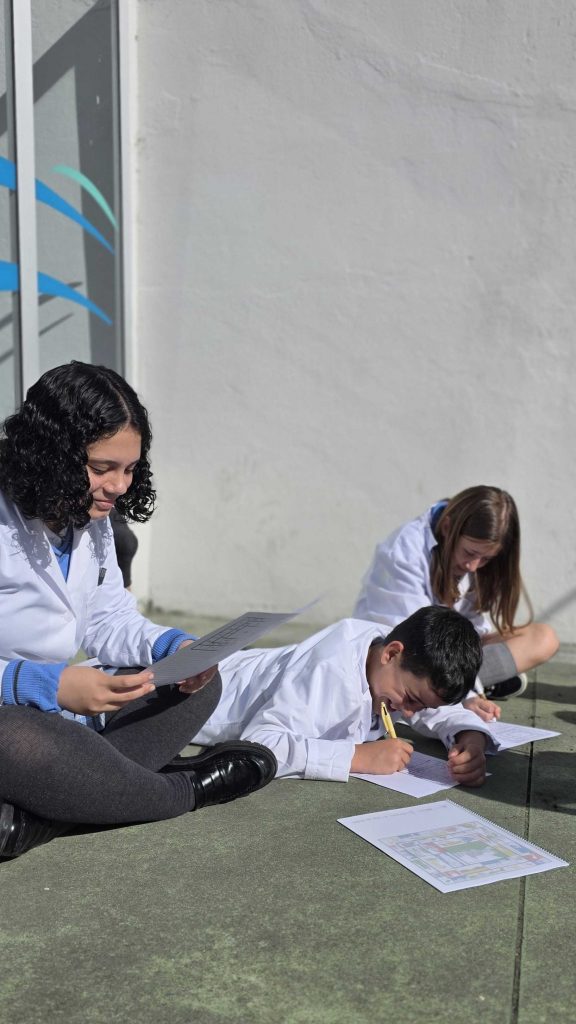
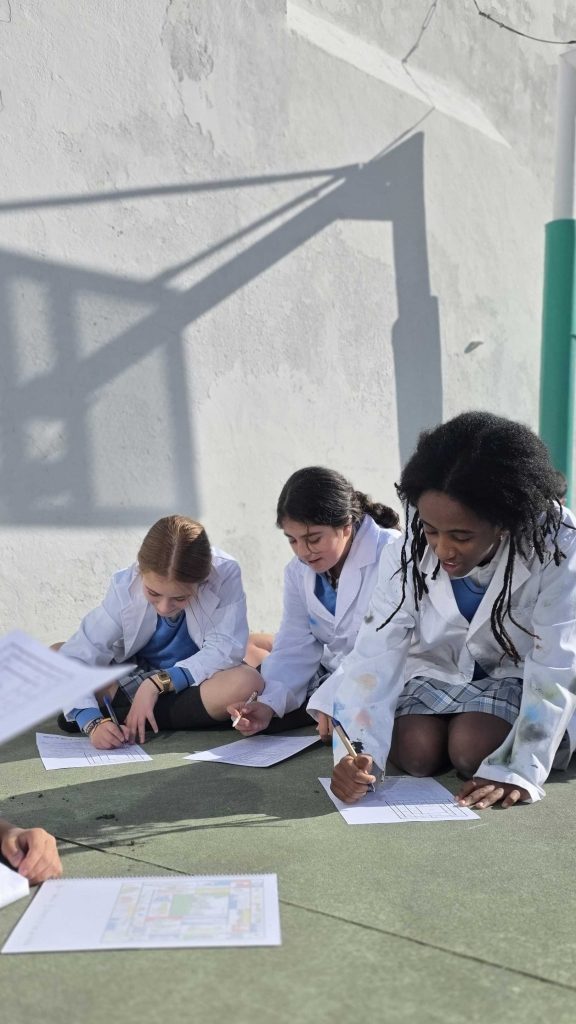
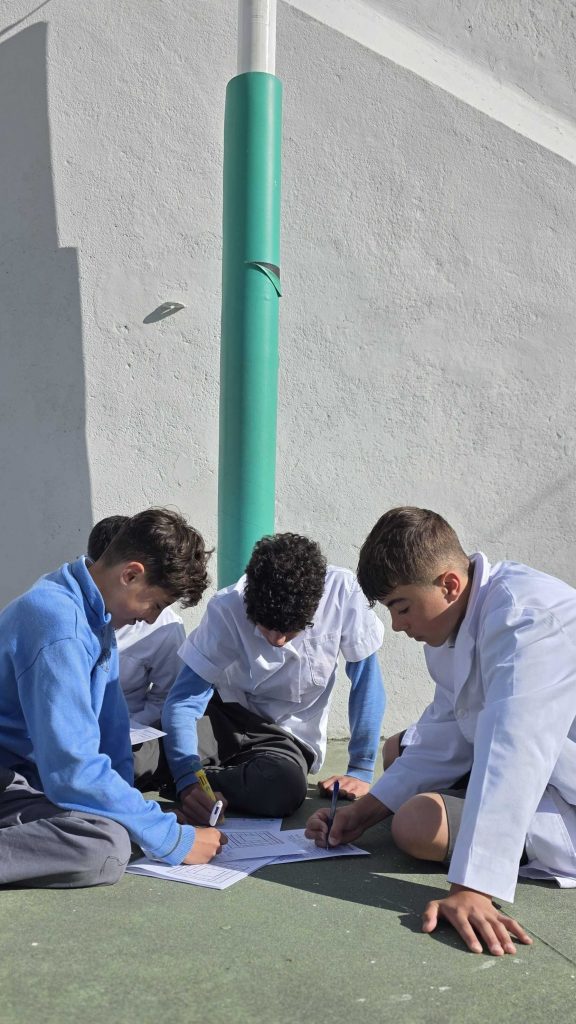
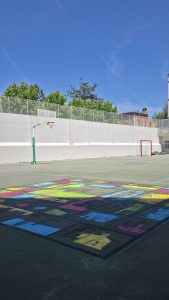
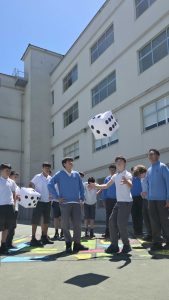
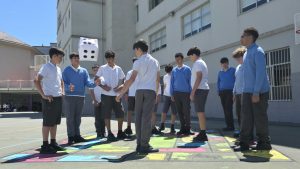
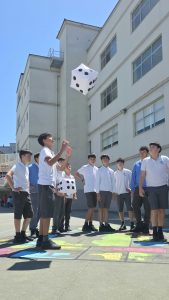
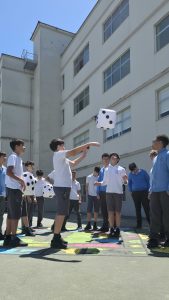
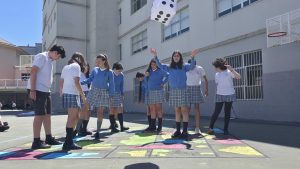
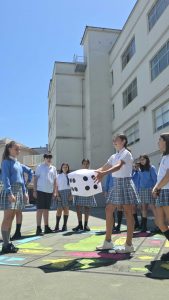
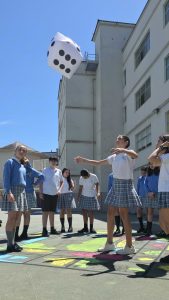
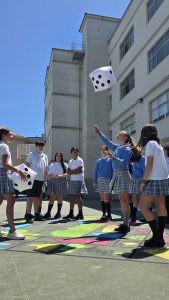
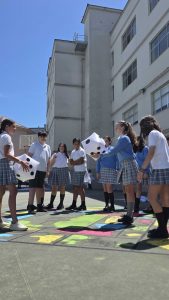
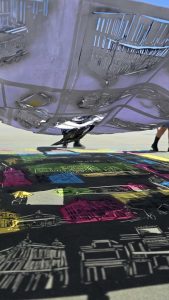
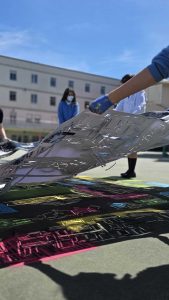
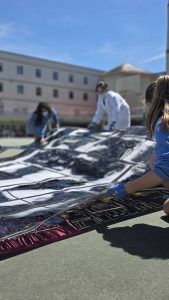
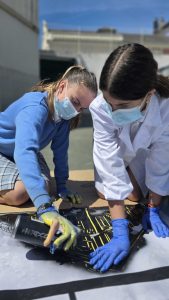
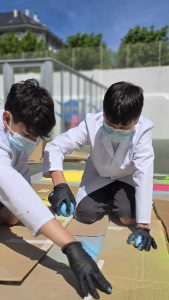
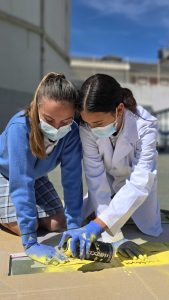
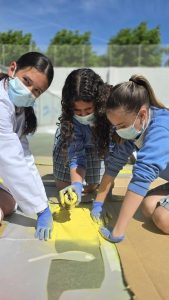
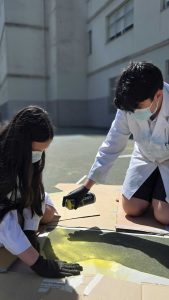
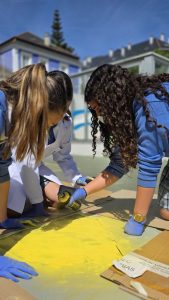
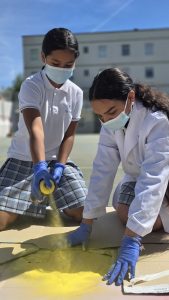
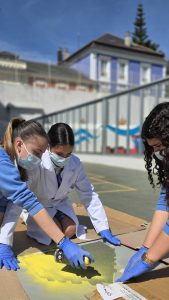
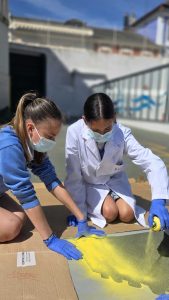
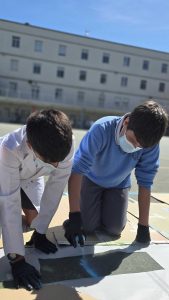
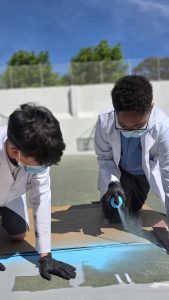
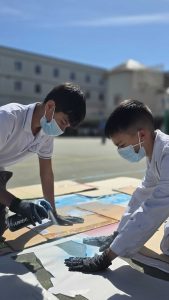
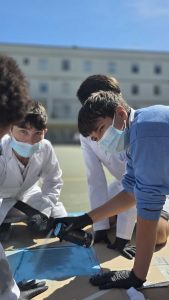
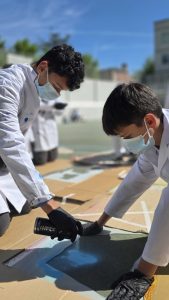
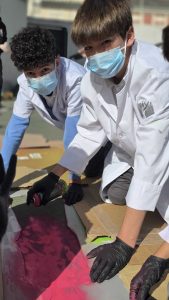
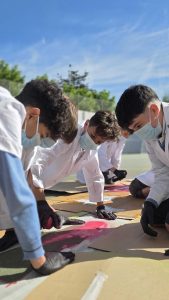
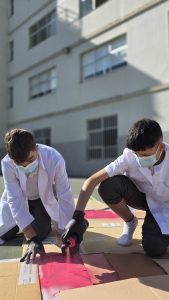
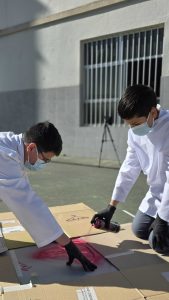
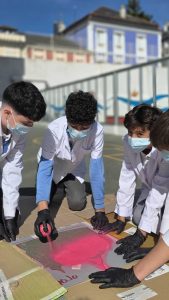
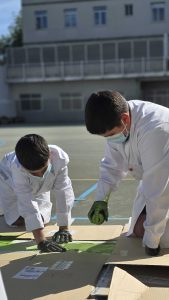
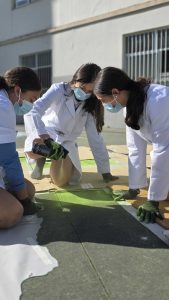
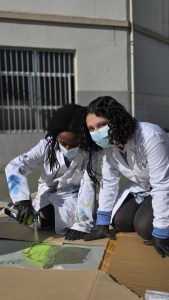
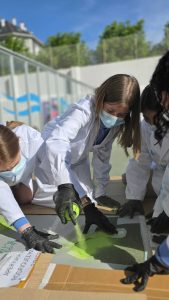
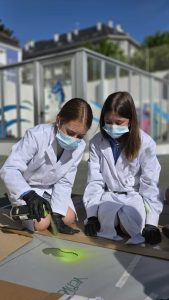
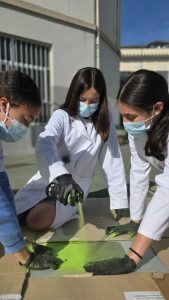
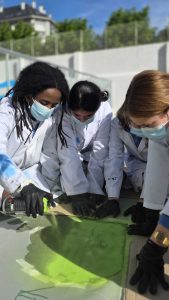
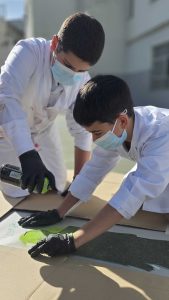

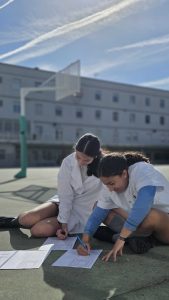
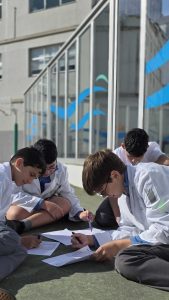
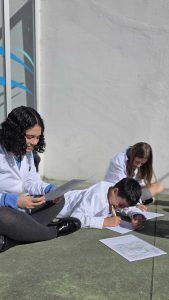
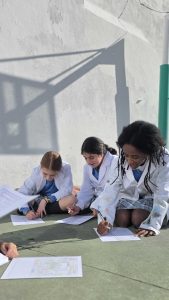
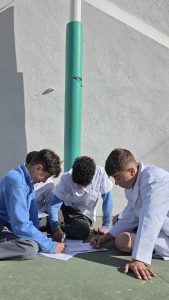
The PLAYGROUND is built from this entire process of discovery. The drawings, journeys, conversations, experiences and records produced throughout the different activities make it possible to identify those elements that have gained presence and meaning during the work with the town or city.
This material is used to create a representation in which architecture, heritage, landscape, memory and everyday life coexist: recognisable elements of the place alongside more ordinary ones that form part of the daily experience of those who inhabit it.
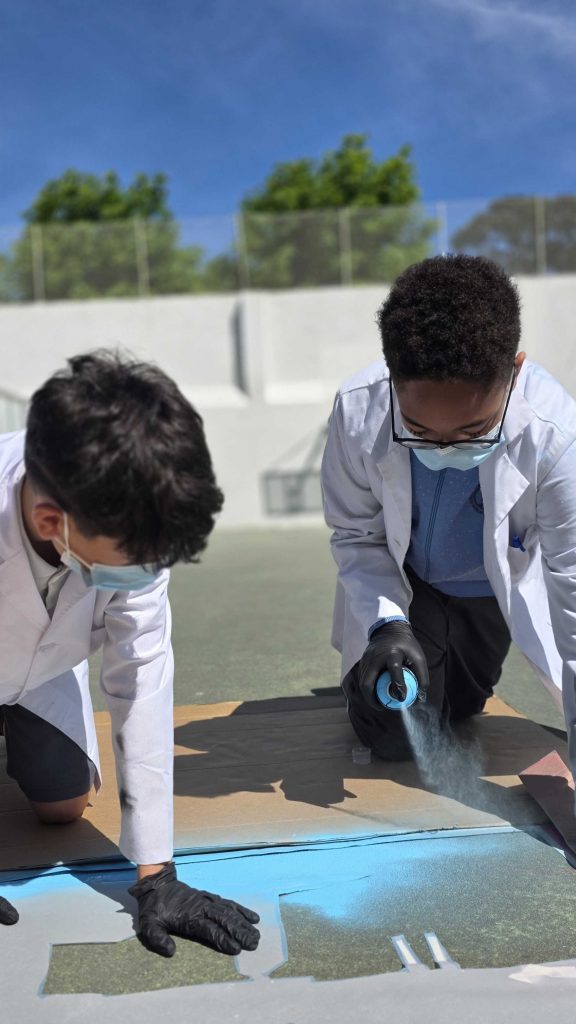
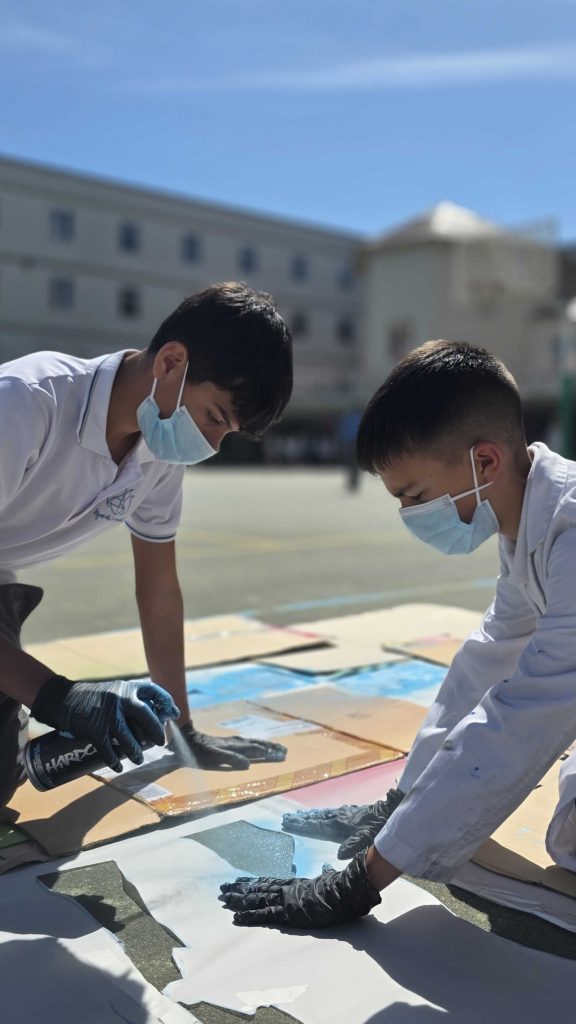
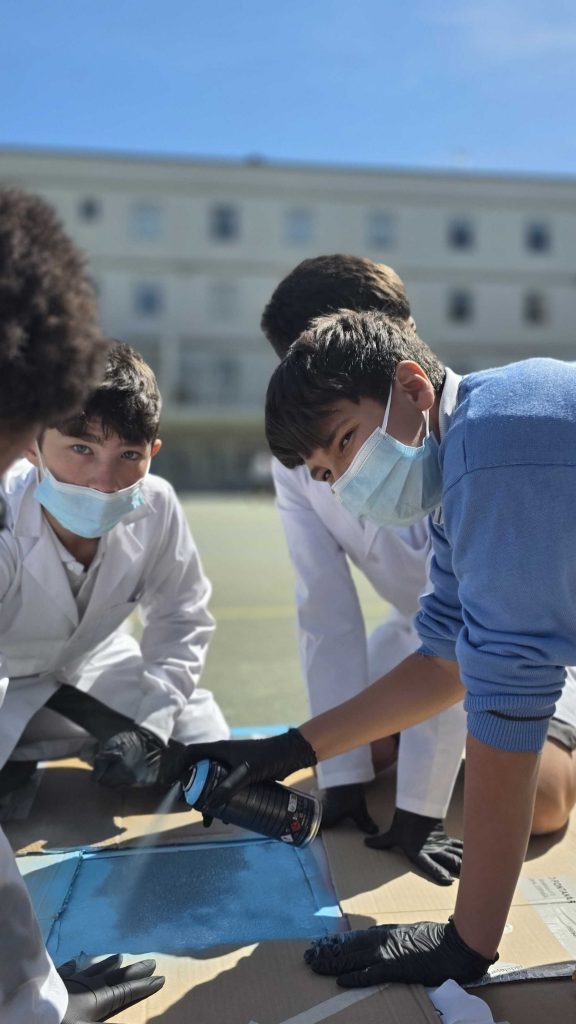
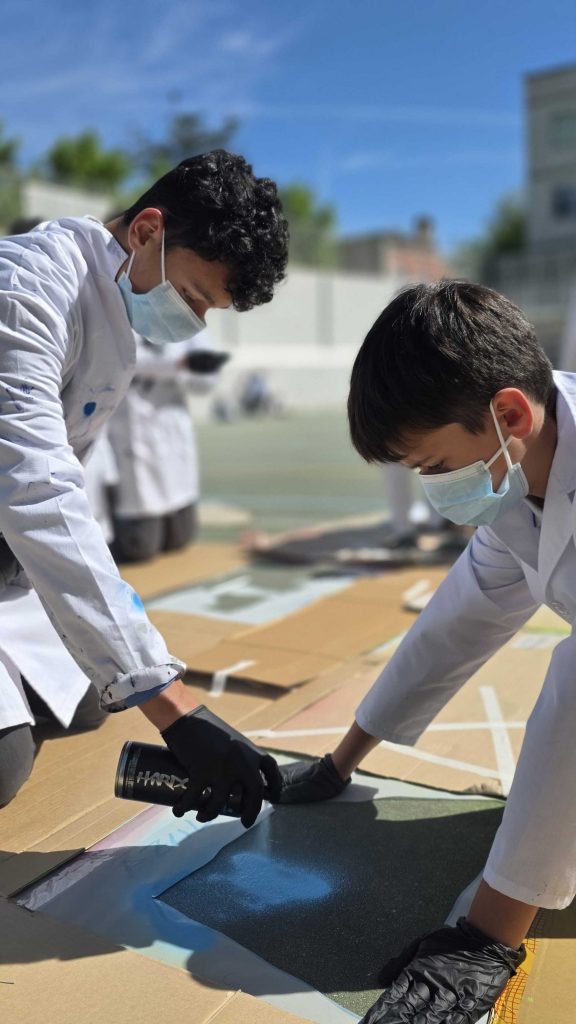
But the game board does not remain a graphic representation. Girls, boys and adolescents take it into public space and participate directly in its creation, painting, building and collectively transforming the place where it is installed.
The process thus moves from perception to action: what has been observed, discovered and reinterpreted throughout the project takes shape in the town or city itself and leaves a visible mark of children’s and adolescents’ participation in the shared space.
In this way, the PLAYGROUND becomes a new cartography of the place, but also a space for playing, meeting others and continuing to discover the town from a different perspective.